Historical Turning Points · Living Heritage
2004 Manmohan Singh becomes Prime Minister
The swearing-in of the first Sikh Prime Minister of India, representing modern Sikh participation in global politics.
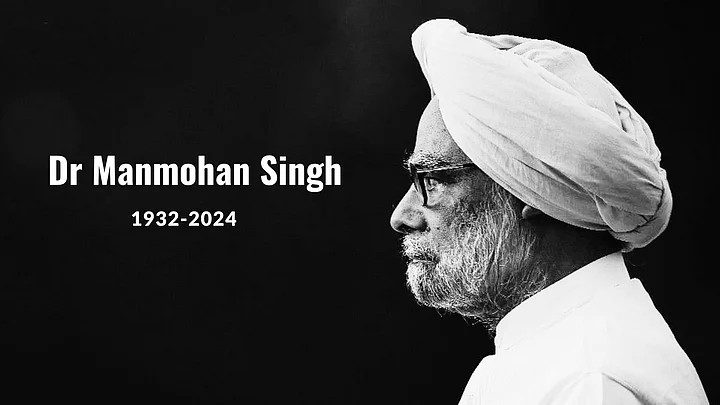
Manmohan Singh Becomes Prime Minister: The Rise of India’s First Sikh Prime Minister and the Global Significance of Sikh Political Participation
The swearing-in of Dr. Manmohan Singh as the Prime Minister of India on 22 May 2004 marked one of the most significant moments in modern Sikh history. For the first time since India's independence in 1947, a Sikh occupied the highest executive office in the world's largest democracy. The event was not merely a political transition or a change in government; it represented a profound historical milestone for a community whose journey through Indian history had been marked by sacrifice, resilience, service, and an enduring commitment to public life. For many Sikhs across India and the global diaspora, the image of a turbaned Sikh taking the oath of office as Prime Minister symbolized the integration of Sikh identity into the highest levels of national leadership. It reflected not only the achievements of an individual but also the broader evolution of Sikh participation in democratic institutions, governance, economics, and international affairs.
As a Sikh historian, it is impossible to view Dr. Manmohan Singh's rise to the premiership in isolation. His appointment was deeply connected to larger historical currents that stretched back centuries. From the teachings of Guru Nanak advocating justice, equality, and honest labor, to the establishment of the Khalsa by Guru Gobind Singh, to the struggles of Sikh reformers and political leaders in the colonial and post-colonial eras, the Sikh community had consistently engaged with questions of governance, public responsibility, and social welfare. The elevation of a Sikh to the office of Prime Minister represented the culmination of a long historical process in which Sikhs moved from a persecuted religious minority to becoming active participants in shaping the destiny of a modern democratic nation.
The Early Life of Manmohan Singh and the Legacy of Partition
To understand the significance of Manmohan Singh's leadership, one must first appreciate the circumstances that shaped his life. Born on 26 September 1932 in Gah, a village in the Punjab province of British India, he experienced firsthand one of the most traumatic events in South Asian history: the Partition of 1947. Like millions of others, his family was uprooted during the division of India and Pakistan. The Partition profoundly affected Sikhs, many of whom were forced to leave ancestral homes, businesses, farms, and sacred sites in what became Pakistan. The experience of displacement left a lasting impression on an entire generation.
For young Manmohan Singh, the challenges of migration and resettlement were accompanied by a remarkable commitment to education. He excelled academically, studying at Panjab University before pursuing higher education at Cambridge University and later at Oxford University. His achievements reflected values deeply cherished within Sikh tradition: dedication to learning, perseverance in adversity, and the pursuit of excellence through honest effort. Long before entering political office, Singh had established himself as one of India's most respected economists, earning recognition both nationally and internationally for his intellect, integrity, and expertise.
A Scholar, Economist, and Public Servant
Unlike many political leaders who rise through party organizations or mass movements, Manmohan Singh's path to national leadership was rooted primarily in scholarship and public administration. Throughout his career, he served in a variety of important positions, including roles within the Government of India, international organizations, and financial institutions. His reputation was built not on charismatic speeches or political theatrics but on competence, professionalism, and intellectual rigor. This distinguished him from many contemporary politicians and earned him widespread respect across ideological divides.
His most influential contribution prior to becoming Prime Minister came during his tenure as India's Finance Minister in the early 1990s. At a time when India faced a severe economic crisis, Singh helped implement a series of economic reforms that liberalized the Indian economy, encouraged investment, expanded international trade, and laid the foundation for decades of economic growth. These reforms transformed India's global economic position and significantly influenced the country's development trajectory. By the time he became Prime Minister, he was already regarded as one of the principal architects of modern India's economic transformation.
The Political Context of 2004
The general elections of 2004 produced an outcome that surprised many political observers. The Indian National Congress and its allies secured enough support to form a government despite expectations that the incumbent administration would retain power. Following the election results, Congress President Sonia Gandhi emerged as the central figure in coalition negotiations. However, in a decision that reshaped Indian political history, she declined the office of Prime Minister and nominated Manmohan Singh for the position.
The announcement generated widespread attention both within India and internationally. Singh was not only respected for his expertise and personal integrity but also represented a unique combination of qualities rarely seen in modern politics. He was a scholar, economist, civil servant, and member of a religious minority. His nomination demonstrated the flexibility and inclusiveness of India's democratic institutions. In a nation of extraordinary diversity, a Sikh who had been born in a village that now lay within Pakistan was about to become the head of government of more than one billion people.
The Swearing-In Ceremony: A Historic Moment for Sikhs
When Manmohan Singh took the oath of office as Prime Minister, the moment resonated deeply within Sikh communities across the world. The significance extended far beyond partisan politics. For many Sikhs, particularly those whose families had experienced Partition, discrimination, or periods of political tension, the event represented a powerful affirmation of belonging and citizenship. The image of a Sikh Prime Minister standing at the center of Indian political life carried immense symbolic weight.
The Sikh community has long contributed to India's military, agricultural, commercial, educational, and political development. Yet the office of Prime Minister remained a position never previously occupied by a Sikh. Singh's appointment therefore served as a reminder that democratic institutions can create opportunities for individuals from diverse backgrounds to attain positions of national leadership. His rise demonstrated that merit, expertise, and public service could transcend religious identity while simultaneously allowing individuals to remain visibly connected to their cultural and spiritual heritage.
Sikh Identity and National Leadership
One of the most remarkable aspects of Manmohan Singh's premiership was the manner in which he embodied both Sikh identity and national leadership without presenting the two as contradictory. Throughout his public life, Singh maintained visible markers of his Sikh faith, including his turban and beard. He neither concealed nor politicized his religious identity. Instead, he represented a model of leadership in which personal faith coexisted with constitutional responsibility and secular governance.
This was particularly important given the historical relationship between Sikhs and the Indian state. The decades preceding Singh's premiership had witnessed periods of tension, including the events of 1984 and their aftermath. Against this historical backdrop, the elevation of a Sikh to the office of Prime Minister carried considerable symbolic significance. It suggested the possibility of healing, inclusion, and renewed confidence in democratic institutions. For many observers, Singh's leadership demonstrated that national unity could be strengthened rather than weakened by diversity.
The Global Significance of a Sikh Prime Minister
The impact of Manmohan Singh's premiership extended well beyond India's borders. By the early twenty-first century, Sikh communities had established vibrant diasporas across North America, Europe, Southeast Asia, Australia, Africa, and the Middle East. Sikhs had become prominent in business, academia, politics, and public service throughout the world. The appointment of a Sikh Prime Minister in India was therefore celebrated not only within the country but also by Sikh communities across the globe.
For many members of the diaspora, Singh's rise served as a source of pride and inspiration. It demonstrated that Sikh identity could coexist with leadership at the highest levels of global politics. His premiership enhanced international visibility for the Sikh community and encouraged greater awareness of Sikh history, culture, and contributions. Young Sikhs growing up outside India often viewed his success as evidence that religious and cultural identity need not limit aspirations for public service or political leadership.
Internationally, Singh also became known for his diplomatic engagement and efforts to strengthen India's relationships with major world powers. His tenure coincided with a period of increasing globalization, economic growth, and expanding international cooperation. As a result, he became one of the most recognizable Sikh figures in the world, representing India on the global stage while simultaneously serving as a prominent example of minority participation in democratic governance.
Achievements and Challenges During His Premiership
Manmohan Singh served as Prime Minister from 2004 to 2014, making him one of the longest-serving leaders in Indian history. During his tenure, India experienced significant economic growth, expanding international influence, and major policy initiatives in areas such as education, infrastructure, social welfare, and rural development. Programs aimed at reducing poverty, increasing access to education, and strengthening rural employment became central components of government policy.
His administration also faced significant challenges. Economic fluctuations, political controversies, coalition pressures, and allegations of corruption involving members of the broader government tested public confidence. Critics questioned aspects of governance and decision-making, while supporters emphasized his integrity, experience, and commitment to institutional stability. Like all major political leaders, Singh's legacy remains the subject of ongoing debate among historians, economists, and political analysts.
Nevertheless, even his critics generally acknowledged his personal honesty and intellectual depth. His reputation for integrity became one of the defining features of his public image. In an era often characterized by political polarization and media-driven spectacle, Singh's understated style of leadership stood in marked contrast to many contemporary political trends.
The Broader Story of Sikh Political Participation
From a historical perspective, the significance of Manmohan Singh's premiership extends beyond his individual accomplishments. His rise reflected a broader story of Sikh engagement with political institutions. Throughout history, Sikhs have participated in governance in diverse ways, from the administration of the Sikh Confederacies and the Sikh Empire to involvement in colonial legislatures, independence movements, democratic politics, and international diplomacy.
The election of a Sikh Prime Minister illustrated the maturation of this tradition within a modern democratic framework. It demonstrated that Sikh participation in public life had evolved from regional influence to national and global significance. The event also highlighted the adaptability of Sikh political engagement, showing how a community rooted in distinct religious traditions could contribute effectively to contemporary democratic governance.
The Historical Legacy of Manmohan Singh
Historians will likely remember Manmohan Singh for multiple reasons: as an economist who helped reshape India's economy, as a statesman who represented India during a period of global transformation, and as the first Sikh Prime Minister of the country. Yet perhaps his most enduring legacy lies in the example he provided. His life story embodied themes that resonate deeply within Sikh history—education, perseverance, service, humility, and resilience in the face of adversity.
His journey from a small village in pre-Partition Punjab to the highest elected office in India encapsulated many of the broader experiences of twentieth-century Sikh history. It reflected the trauma of displacement, the pursuit of knowledge, the rebuilding of lives after Partition, and the increasing participation of Sikhs in national and international affairs. In this sense, his premiership was not merely a political achievement but a chapter in the continuing story of Sikh contributions to modern society.
Conclusion
The swearing-in of Dr. Manmohan Singh as India's first Sikh Prime Minister was a landmark event in both Indian and Sikh history. It symbolized the successful integration of Sikh identity into the highest levels of democratic governance and highlighted the growing role of Sikhs in global political life. His leadership reflected the values of scholarship, public service, humility, and perseverance, while his rise to office demonstrated the capacity of democratic institutions to embrace diversity and merit. For Sikhs around the world, the moment represented not only personal achievement but also the culmination of centuries of participation in public life, making it one of the most significant milestones in the modern history of the Sikh community.
Frequently Asked Questions (FAQ)
1. When did Manmohan Singh become Prime Minister of India?
Manmohan Singh was sworn in as the Prime Minister of India on 22 May 2004.
2. Why is Manmohan Singh significant in Sikh history?
He became the first Sikh Prime Minister of India, marking a historic milestone in Sikh participation in national leadership.
3. Where was Manmohan Singh born?
He was born in Gah, a village in the Punjab province of British India, which is now located in Pakistan.
4. How did Partition affect Manmohan Singh?
Like millions of others, his family was displaced during the Partition of India in 1947 and resettled in India.
5. What was his profession before entering politics?
He was an economist, academic, and civil servant with extensive experience in public administration and international finance.
6. What role did he play in India's economic reforms?
As Finance Minister in 1991, he helped introduce major economic reforms that liberalized India's economy and encouraged growth.
7. How long did Manmohan Singh serve as Prime Minister?
He served for ten years, from 2004 to 2014.
8. Why was his election important to Sikhs worldwide?
His appointment demonstrated that a visibly Sikh leader could attain one of the highest political offices in the world while maintaining his religious identity.
9. What qualities was Manmohan Singh known for?
He was widely respected for his integrity, humility, intellectual ability, professionalism, and commitment to public service.
10. What is the lasting legacy of Manmohan Singh's premiership?
His legacy includes economic modernization, international diplomacy, and the historic achievement of becoming India's first Sikh Prime Minister, symbolizing the growing role of Sikhs in modern global politics.