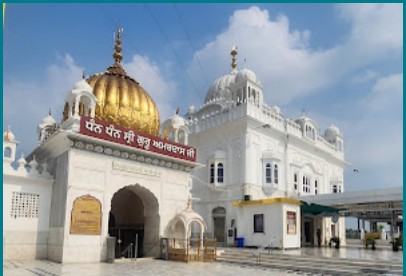
Gurdwara Lachi Ber
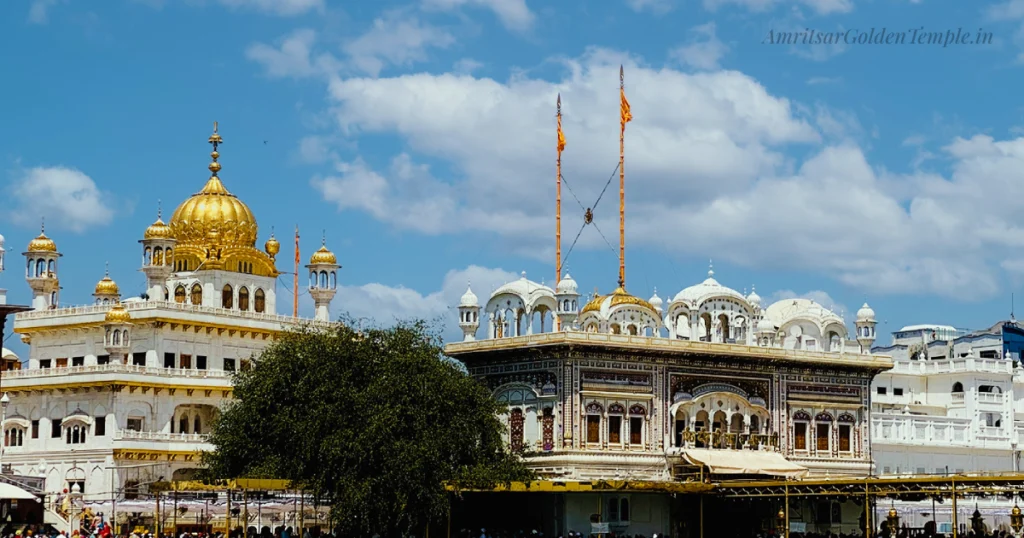
Seated beneath the shade of the Lachi Ber tree was Guru Arjan Dev Ji observing the construction work of Harmandir Sahib with calm spiritual radiance. The Harmandir Sahib being envisioned here was unlike anything India had seen before.
Gurdwara Sri Lachi Ber Sahib: The Silent Tree That Witnessed Seva, Sacrifice, and Sikh Courage
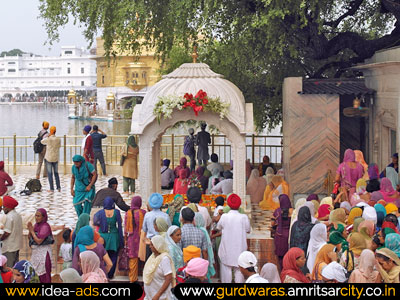
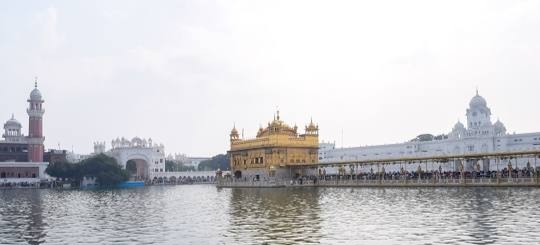
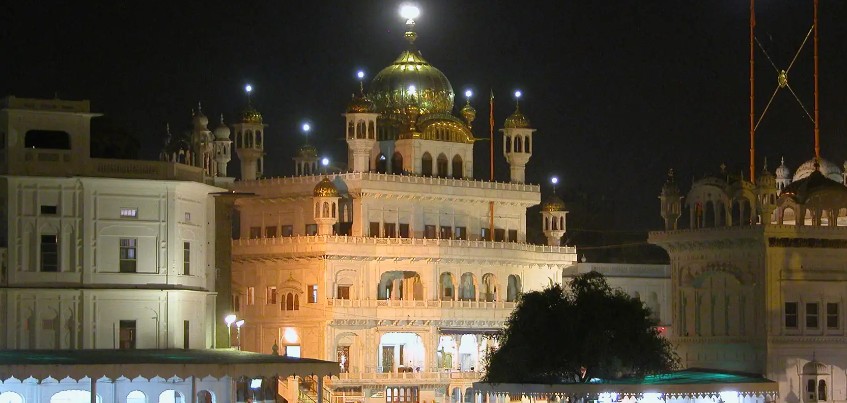
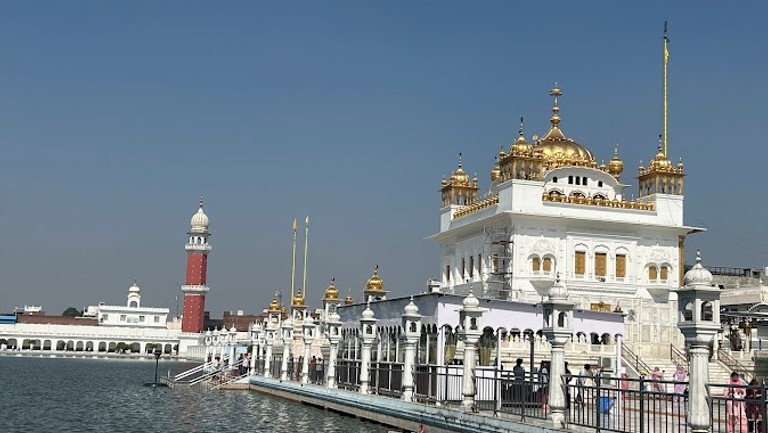
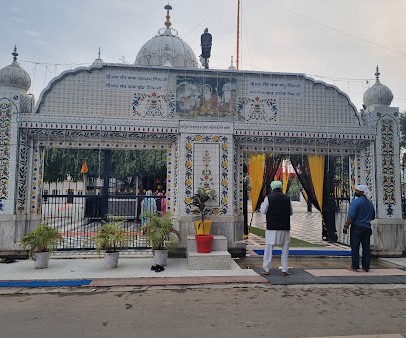
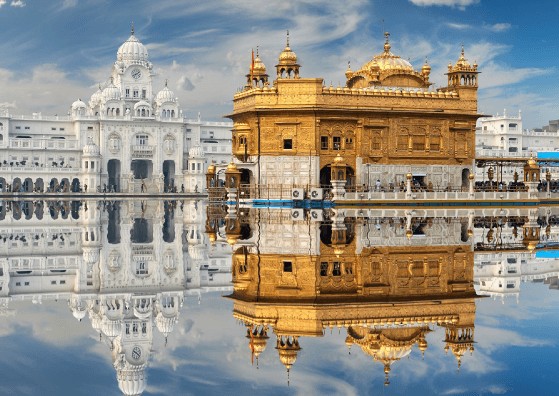
There are places inside the sacred complex of Sri Harmandir Sahib that thunder with history not through towering architecture or golden domes, but through silence. One such place stands quietly near the Darshani Deori — the great entrance through which millions of barefoot pilgrims pass every year before catching their first glimpse of the shimmering sanctum of Harmandir Sahib floating upon the sacred waters. Most visitors walk by without fully realizing that beside them stands an ancient witness to centuries of devotion, labor, sacrifice, and rebellion.
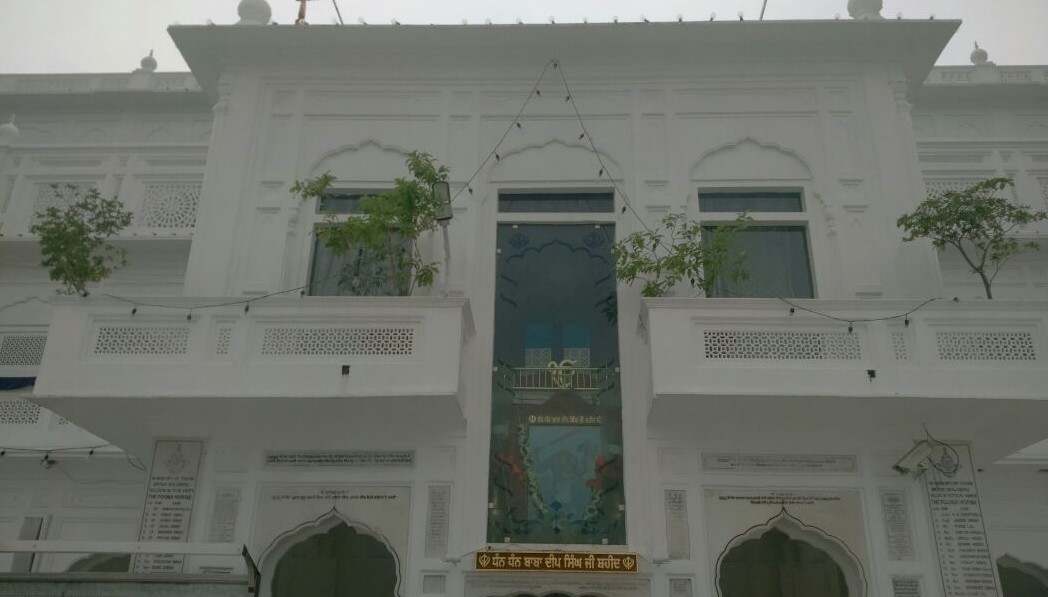
This is Gurdwara Sri Lachi Ber Sahib. The sacred tree itself appears almost humble amidst the grandeur surrounding it. Its branches spread softly over the marble pathway, offering shade to pilgrims who pause beneath it for a moment of reflection. The tree is known as the Lachi Ber because it bears tiny berry-like fruit resembling cardamom — “lachi” in Punjabi. Yet within Sikh memory, this tree is far more than a botanical curiosity. It is a living survivor of history.
Its roots run through some of the most defining moments of the Sikh story. To stand beneath the Lachi Ber today is to stand where Guru Arjan Dev Ji once sat in deep contemplation while shaping one of the greatest spiritual centers the world has ever known.
The year was 1577. Punjab was a land divided by caste, social hierarchy, and political uncertainty. The Mughal Empire stretched across northern India with immense authority, while ordinary people carried the burden of inequality and fear. Yet amidst this atmosphere, a revolutionary spiritual vision was quietly unfolding in Amritsar.
And seated beneath the shade of the Lachi Ber tree was Guru Arjan Dev Ji observing the construction work of Harmandir Sahib with calm spiritual radiance. The Harmandir Sahib being envisioned here was unlike anything India had seen before.
Its doors would open in all four directions — welcoming humanity from every caste, every religion, every social background. The temple itself would be constructed lower than the surrounding land, teaching humility before one even entered. At its heart would flow not rituals of exclusion, but the music of Gurbani and the spirit of equality.
And through every stage of that sacred construction, the Lachi Ber tree remained present like a silent guardian.
Beside Guru Arjan Dev Ji worked devoted Sikhs such as Bhai Shalo Ji, whose name survives in Sikh tradition as one of the countless humble souls who offered their labor in service of the Guru’s vision. There were no expectations of reward. No desire for recognition. The digging of the sarovar was itself considered divine fortune. Perhaps that is what made the atmosphere around the Lachi Ber so sacred.
But history had darker chapters yet to unfold. The peaceful world envisioned by the Gurus would soon be tested by persecution, invasion, and violence. By the eighteenth century, the Sikh community had entered one of the bloodiest eras in its history. Mughal oppression intensified across Punjab. The Sikhs — once peaceful disciples gathering in prayer and seva — were hunted relentlessly. Prices were placed upon Sikh heads. Entire families were massacred. Gurdwaras were attacked and desecrated.
And even Sri Harmandir Sahib itself was not spared. One of the darkest figures associated with this period was Massa Rangar.
Appointed by the Mughal authorities, Massa Rangar occupied the sacred precincts of Harmandir Sahib and transformed the holy sanctuary into a place of humiliation and desecration. The Darbar Sahib, built through devotion and sanctified by Gurbani, was converted into a pleasure palace. Dancing girls performed where kirtan once echoed. Alcohol flowed where prayers had risen. The sacred atmosphere of the shrine was deliberately mocked in an attempt to crush Sikh morale.
For Sikhs across Punjab, the pain was unbearable. The desecration of Harmandir Sahib was not simply political. It was spiritual violence against the heart of the Panth itself. Yet from this darkness emerged two extraordinary figures whose courage would become immortal in Sikh history: Bhai Sukha Singh and Bhai Mehtab Singh. In 1740, these two Sikh warriors arrived secretly at Amritsar with a mission that carried almost certain death.
The city itself trembled under Mughal control. Informers watched every road. Armed guards surrounded the sacred complex. But the two Sikhs moved forward with fearless determination, disguising themselves as tax collectors to gain entry. And before entering the sacred precincts, they tied their horses beside the very Lachi Ber tree.
Even today, that detail sends a shiver through Sikh memory. The same tree that once sheltered Guru Arjan Dev Ji during the peaceful construction of Harmandir Sahib now stood witness to an act of righteous resistance born from unbearable grief and spiritual courage. Inside the complex, Bhai Sukha Singh and Bhai Mehtab Singh confronted Massa Rangar and beheaded him, restoring the honor of the sacred shrine. The act electrified the Sikh world.
It was not an act of vengeance born from hatred. It was an act of spiritual defiance — a declaration that the sanctity of the Guru’s house would never be surrendered, no matter how powerful the oppressor.
And silently, the Lachi Ber tree remained standing through it all.
It witnessed the Guru’s compassion. It witnessed seva. It witnessed desecration. It witnessed courage. It witnessed sacrifice.
Even today, pilgrims walking toward Harmandir Sahib often pause beside Gurdwara Sri Lachi Ber Sahib without fully understanding the emotional weight carried by this sacred place. Yet something about the atmosphere feels different there. The air itself seems layered with memory.
And perhaps that is the true beauty of Gurdwara Sri Lachi Ber Sahib. It reminds humanity that sacred spaces are not made holy merely through architecture. They become holy through what human beings are willing to endure, sacrifice, and preserve in the name of truth.
The Lachi Ber tree still stands today not simply as wood and leaves, but as a living symbol of the Sikh journey itself — rooted in humility, nourished through seva, scarred by persecution, and strengthened forever through fearless devotion to the Divine.
Location & contact
Golden Temple Rd, Atta Mandi
Katra Ahluwalia
- Email: info@sgpc.net
- Map: Open in Google Maps
- Website: Visit website
- Associated Gurus: Guru Arjan Dev Ji