Sri Harmandir Sahib (Golden Temple)

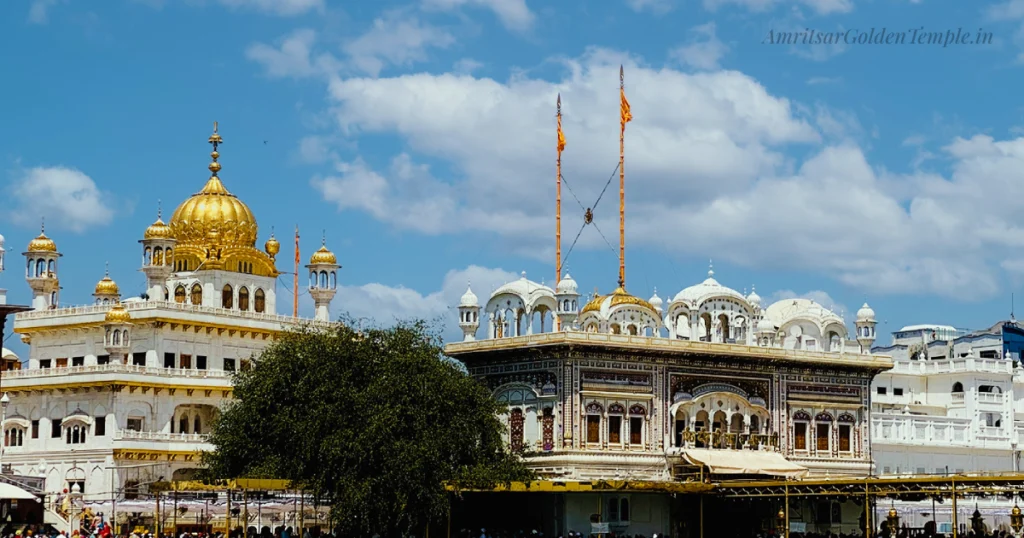
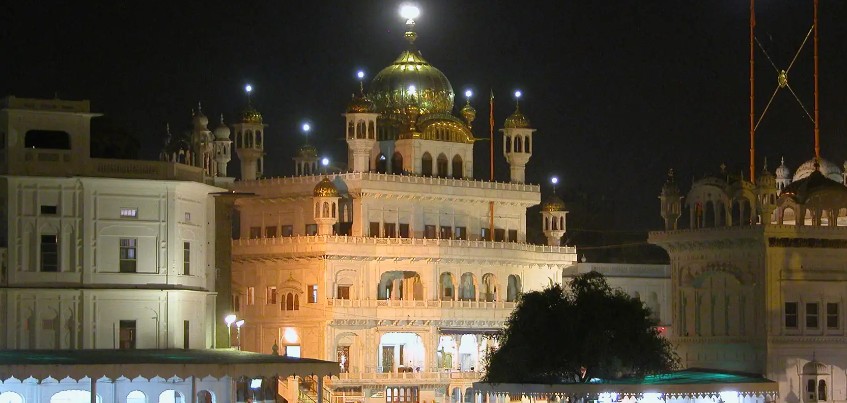
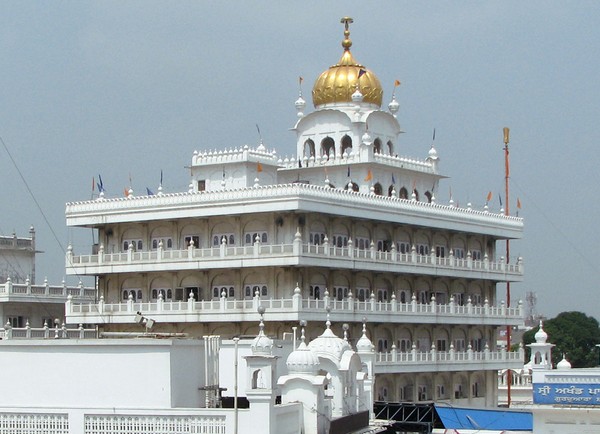
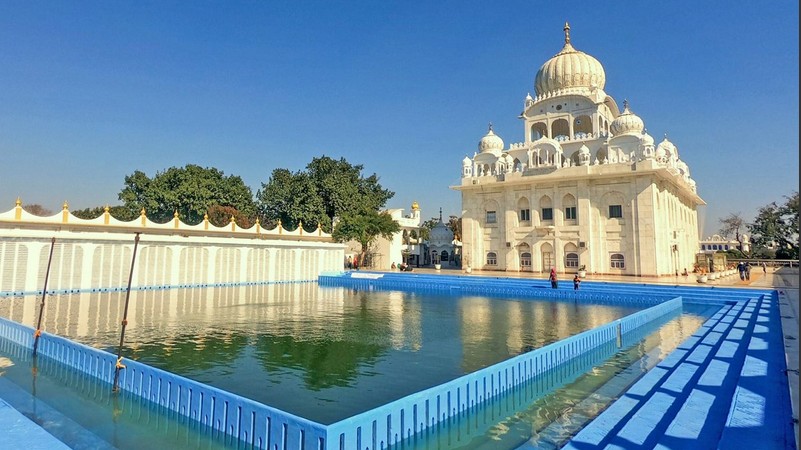
Sri Harmandir Sahib (The Golden Temple): Sikh Gurdwara serving the Sangat in Punjab. The ultimate spiritual and cultural center of Sikhism. Founded by Guru Ram Das Ji (4th Guru) in 1577. Guru Arjan Dev Ji designed this shrine with four doors to welcome all castes and religions. The foundation stone of the Harmandir Sahib was laid by Sufi saint Hazrat Mian Mir in 1589. Guru Arjan Dev Ji (5th Guru) compiled and installed the Adi Granth here in 1604. Maharaja Ranjit Singh gilded the upper floors with gold foil in 1830.
Sri Darbar Sahib — The Golden Temple
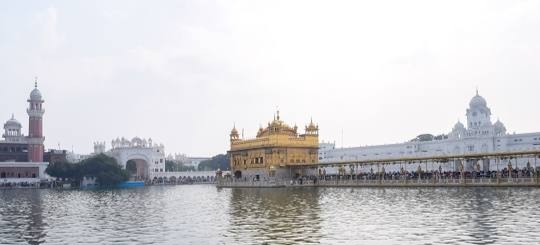
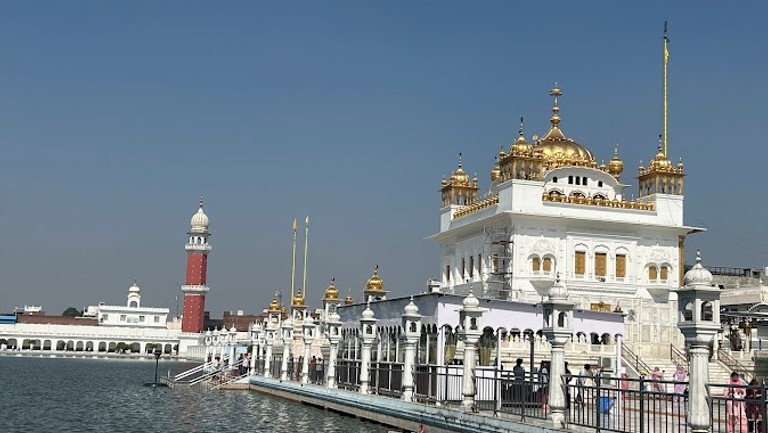
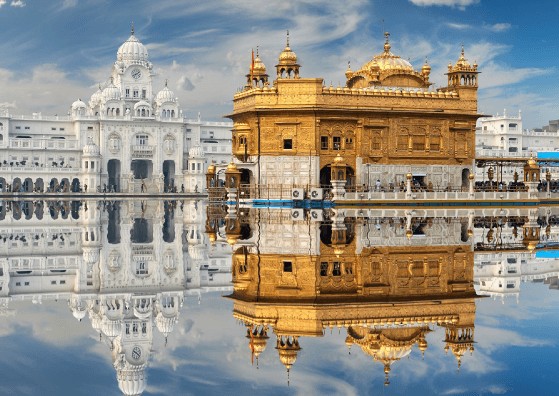
Sri Darbar Sahib — the Golden Temple — not merely as a monument of gold and marble, but as the beating spiritual heart of Sikh civilization. Its reflection trembles gently upon the sacred water, as though the temple itself breathes with the prayers of millions. Here, beneath the golden domes and the endless singing of Gurbani, distinctions begin to disappear. Wealth and poverty lose meaning. Caste dissolves. Religion fades into the background. Human beings simply arrive as souls seeking light.
Sri Darbar Sahib is not only the holiest shrine of Sikhism; it is the living embodiment of equality, humility, and universal brotherhood. For centuries, its doors have remained open to humanity from all four directions of the world, welcoming every race, every faith, every language, and every wounded heart without discrimination.
The Vision Begins
The story of Sri Darbar Sahib begins not with gold, but with vision. In the sixteenth century, Punjab was a land restless with social divisions and spiritual hunger. The rigid walls of caste suffocated society, while religious pride had hardened human hearts. It was during this turbulent era that Sri Guru Amar Das Ji, the third Sikh Guru, envisioned a sacred center where humanity could gather as equals. His successor, Sri Guru Ram Das Ji, carried this dream forward. In 1577, amidst dusty plains and scattered villages, the excavation of the Amrit Sarovar began.
There were no royal armies here, no forced laborers commanded by kings. Instead, there is seva — selfless service. Farmers, traders, travelers, saints, and ordinary villagers work side by side, their hands covered in mud, their voices singing the praises of the Divine as the sacred pool slowly takes shape. Guru Ram Das Ji himself walks among them, not as a ruler issuing commands, but as a spiritual guide immersed in humility. Every handful of soil removed from the earth feels symbolic, as though humanity itself is being cleansed of pride and separation.
The Foundation of Sri Darbar Sahib
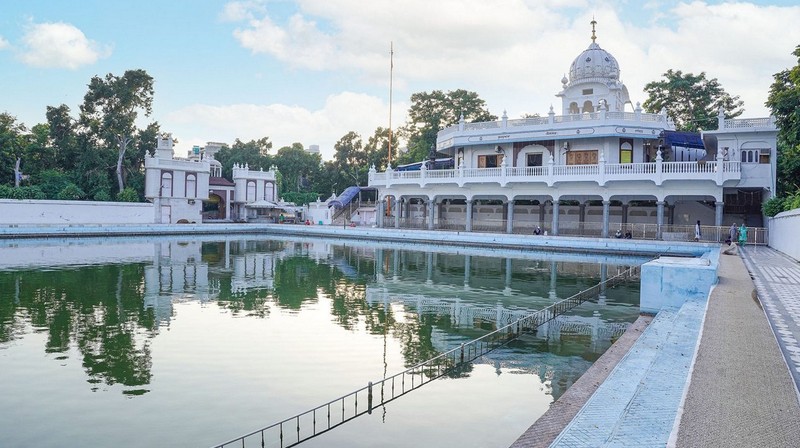
Years later, Sri Guru Arjan Dev Ji, the fifth Sikh Guru, transformed this sacred vision into reality. On December 15, 1588, the foundation of Sri Darbar Sahib was laid. The Guru designed this sanctuary to rest in the embrace of the sarovar itself, accessible through a narrow causeway that symbolizes the spiritual journey from the material world toward inner truth. The architecture carried theology within its stones.
Then came one of the most profound moments in Sikh history. In 1604, after years of spiritual labor, Guru Arjan Dev Ji completed the compilation of the Adi Granth — the sacred scripture that would later become the Sri Guru Granth Sahib. The hymns of Sikh Gurus, along with the divine poetry of Hindu bhagats and Muslim saints, were brought together into one eternal voice of spiritual unity. On August 16, 1604, the scripture was ceremonially installed inside Sri Darbar Sahib.
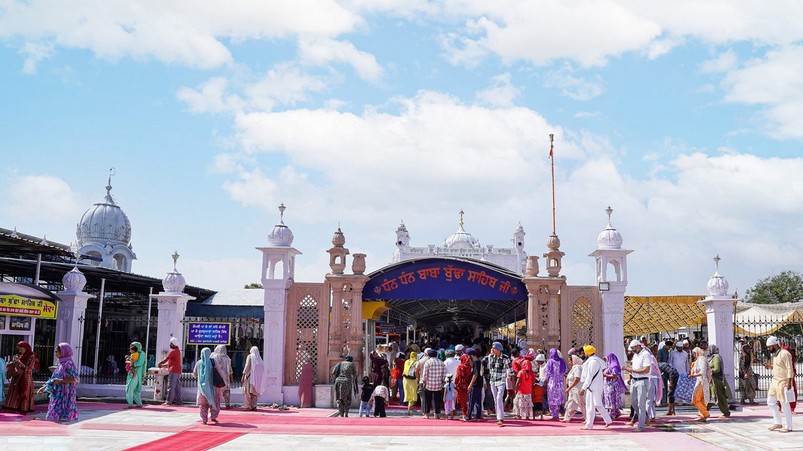
The atmosphere that day must have felt almost celestial. The sound of shabads filled the air. Incense drifted across the sanctum as the first prakash of the Guru Granth Sahib illuminated the shrine. Baba Buddha Ji, the deeply revered Sikh elder who had served generations of Gurus, was appointed the first granthi — the first head priest of the Darbar Sahib. As he bowed before the scripture, the message became eternal: the true Guru would no longer exist in human form alone, but through the divine Word itself.
The Spirit of Resilience
As centuries passed, Sri Darbar Sahib became more than a place of worship. It became the soul of Sikh resilience. Armies would attack it. Empires would attempt to destroy it. Its walls would witness bloodshed, sacrifice, martyrdom, and rebirth. Yet every time destruction arrived, the Sikhs rebuilt it with even greater devotion, as though faith itself flowed through the marble and water like an undying current.
The Experience of Darbar Sahib
And still today, the experience of entering Sri Darbar Sahib defies ordinary description. At dawn, when the first notes of Asa Di Vaar rise into the morning sky, the entire complex feels suspended outside time. The golden reflection dances upon the sacred sarovar while white pigeons circle above the domes. The fragrance of karah prasad mingles with cool morning air. Inside the sanctum, ragis sing Gurbani with such tenderness that even silence seems to listen.
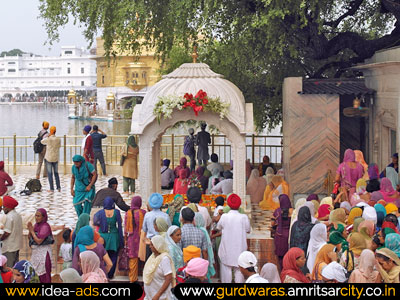
In the langar halls nearby, thousands sit shoulder to shoulder on the floor — rich beside poor, Sikh beside non-Sikh, strangers beside strangers — sharing the same simple meal. There are no privileged seats. No hierarchy. Only the radical spiritual equality envisioned by the Gurus centuries ago. Volunteers move tirelessly through the halls washing dishes, serving food, cleaning floors, and carrying water, their faces glowing not with exhaustion, but with quiet fulfillment. Here, seva becomes prayer.
The Eternal Message
Perhaps that is the true miracle of Sri Darbar Sahib. It is not merely the gold that captivates the eye, nor the architectural beauty that inspires awe. Its true power lies in what it does to the human spirit. The moment one steps barefoot onto its marble pathways, something begins to soften inside. The noise of the world fades. Ego loosens its grip. A deeper stillness emerges.
Sri Darbar Sahib is not something one merely sees. It is something one feels — like a sacred call that continues to echo across centuries, inviting humanity toward humility, compassion, and the remembrance of the Divine.
Location & contact
Golden Temple Rd, Atta Mandi
Katra Ahluwalia
- Phone: 91-183-2553956, 57,58,59,60
- Email: info@sgpc.net
- Map: Open in Google Maps
- Website: Visit website
- Associated Gurus: Guru Ram Das Ji · Guru Arjan Dev Ji
Also known as
Sri Darbar Sahib · Golden Temple of Amritsar