Gurdwara Sri Kandh Sahib (Batala)
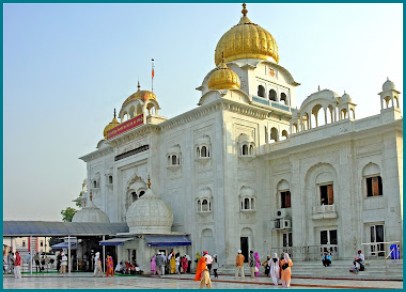
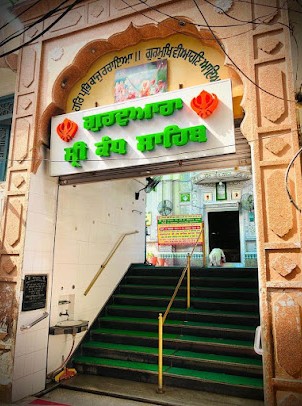
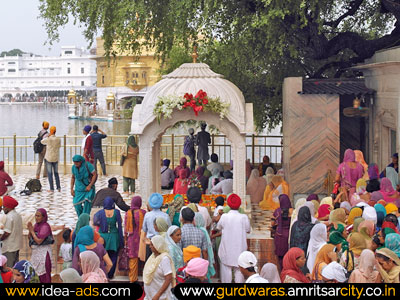
This historic shrine marks the site where the wedding procession of Guru Nanak Dev Ji halted in 1487 when he came to marry Mata Sulakhni Ji. The Gurudwara gets its name from a mud wall ('Kandh') that an old woman warned would fall on the Guru. Guru Nanak Ji smiled and prophesied that the wall would stand for centuries. The original mud wall is still preserved here inside a glass enclosure.
Gurdwara Sri Kandh Sahib, Batala
Gurdwara Sri Kandh Sahib in Batala reveals a profound intersection where early Sikh theology actively confronted, reshaped, and integrated with medieval Indian social customs. Situated in the historic, centuries-old city of Batala within the Majha region of Punjab, this sacred shrine stands as a monument to a pivotal moment in the life of Guru Nanak Dev Ji: his marriage to Mata Sulakhni Ji in 1487 CE.
The site shows how a burgeoning, revolutionary spiritual movement managed to reject entrenched orthodox rituals while firmly embracing the domestic, worldly responsibilities of householder life.
1. The Geopolitical and Social Tapestry of 15th-Century Batala
To fully appreciate the historical weight of Gurdwara Sri Kandh Sahib, one must first look back at the regional landscape of late 15th-century Punjab. Founded in 1465 by Raja Ram Deo, a Bhati Rajput under the Delhi Sultanate of Bahlul Lodi, Batala was still a relatively young but rapidly growing urban center when Guru Nanak arrived with his wedding procession (baraat).
It was a town defined by its strategic location, developing trade routes, and a highly traditional society governed by rigid caste hierarchies and complex Brahmanical rituals.
                  [ Sultanpur Lodhi ]
             (Guru Nanak's Journey - 1487 CE)
                         |
                         V
                  [ Batala Town ]
                         |
        -------------------------------
        |                             |
        V                             V
[ Kandh Sahib ]                 [ Dera Sahib ]
(Where the wedding party        (The home of Mata Sulakhni;
rested & the wall survived)     site of the actual ceremony)
Into this conventional socio-religious environment stepped a young Guru Nanak. Traveling from Sultanpur Lodhi alongside his family and prominent figures like the local administrator Rai Bular, the Guru brought a radical philosophy that openly challenged the ascetic traditions of his era.
While other spiritual seekers of the time preached that enlightenment required withdrawing from society, abandoning families, and escaping to the wilderness, Guru Nanak proposed a different path.
His arrival in Batala as a bridegroom was a deliberate, lived demonstration of Miri-Piri—the harmonious balance between the spiritual realm and temporal, everyday responsibilities.
2. The Narrative of the Mud Wall
The name of the shrine itself, Kandh Sahib (literally meaning "The Holy Wall"), stems from an event during the wedding festivities that has been passed down through generations.
According to historical records and oral traditions, the Guru's wedding party was given a place to rest near a dilapidated, crooked mud wall (kandh) that had been severely weakened by recent heavy rains.
Seeing the young Guru sitting near this unstable structure, his future father-in-law, Mool Chand Chauna, and other anxious relatives grew concerned that the wall might collapse on the groom.
An elderly woman from the neighborhood was asked to warn Guru Nanak of the impending danger. Approaching him, she urged him to move to a safer spot.
In response, the Guru smiled calmly and uttered a prophecy that would echo through the centuries:
"Mata Ji, ehh kand sadeeya layah nehee digdee... This wall will not fall for a long time. The will of God shall prevail."
This encounter carries a deeper symbolic meaning beyond its literal interpretation. The crumbling mud wall represented the decaying, unstable social and religious structures of the medieval era—systems weighed down by superstition, empty rituals, and inequality.
By declaring that the wall would stand, the Guru left a physical testament to his protection over those who approach life with genuine faith.
Today, a surviving section of that very mud wall is carefully preserved behind glass inside the main sanctuary, serving as a rare, tangible link to the late medieval period.
3. Challenging Ritualistic Orthodoxy
The events that unfolded in Batala also marked a significant departure from the traditional marriage customs of the era.
The bride's father, Mool Chand, had arranged for an elaborate ceremony led by orthodox Brahmin priests, who insisted on standard rituals, astrological readings, and circumambulating a sacrificial fire (havan).
However, Guru Nanak firmly refused to participate in rituals rooted in superstition or caste-based orthodoxy, arguing that any time chosen for a virtuous union is inherently auspicious.
This refusal created a tense standoff between the bride's traditional family and the revolutionary young Guru.
To resolve the impasse, a debate on religious philosophy and custom took place right beside that historic mud wall.
Ultimately, Guru Nanak proposed a simplified marriage rite. Instead of circling the sacrificial fire, he wrote the Mool Mantar (the foundational verse of Sikh theology) on a piece of paper, placed it on a small platform, and circumambulated the divine word.
This act laid the groundwork for what would eventually evolve into the distinct Anand Karaj (the Sikh marriage ceremony).
By centering the marriage around divine truth rather than complex ritualism, the Guru initiated a social transformation that elevated the institution of marriage into an equal, spiritually grounded partnership.
4. Architectural Transformation and the Preservation of Space
The physical evolution of Gurdwara Sri Kandh Sahib reflects the broader historical trajectory of the Sikh community—moving from humble local memorials to grand, institutional structures.
For generations after the event, the sacred site was quietly maintained within a private residence by a line of dedicated, local caretakers (granthis).
It wasn't until the mid-20th century, specifically around the 1950s, that the Seva Committee Gurdwara Kandh Sahib officially acquired the property to construct a monument fitting its historical importance.
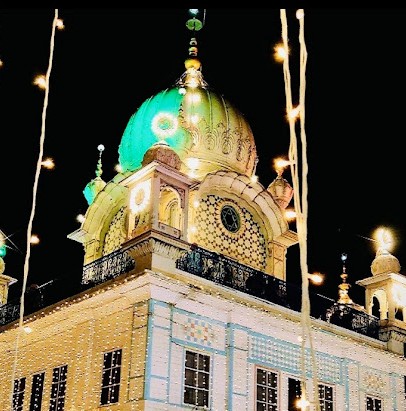
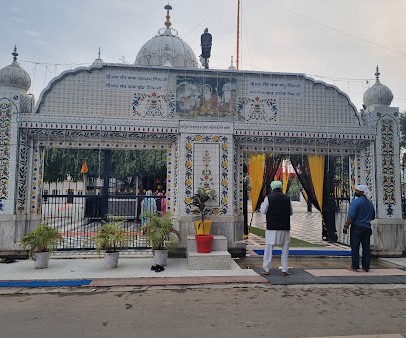
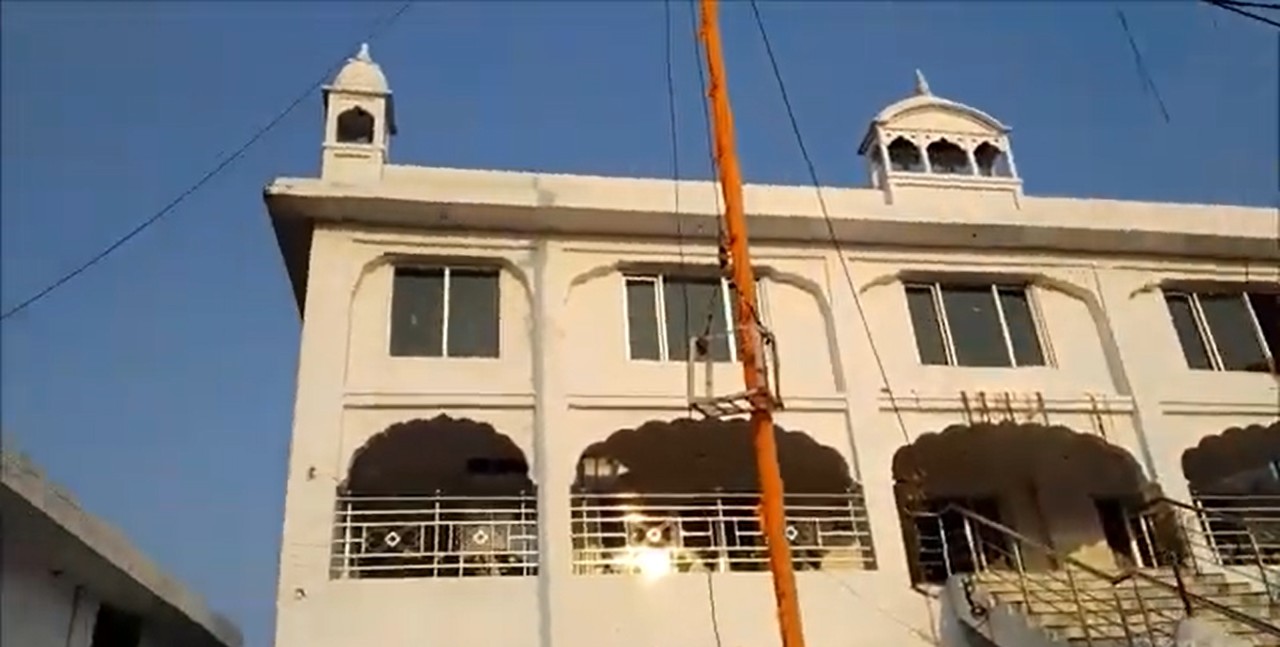
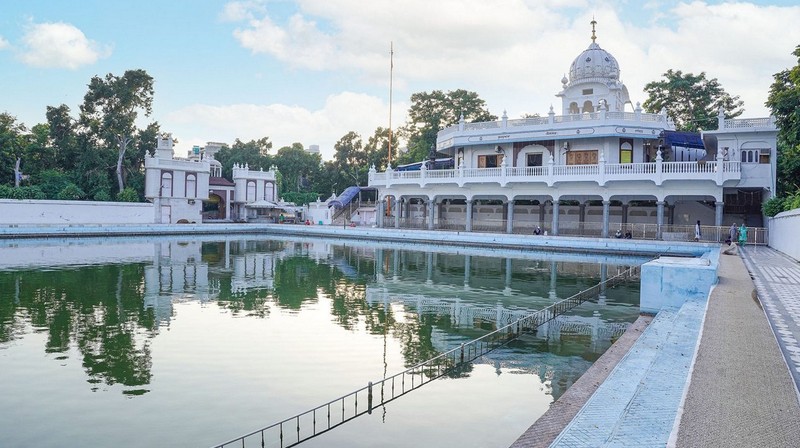
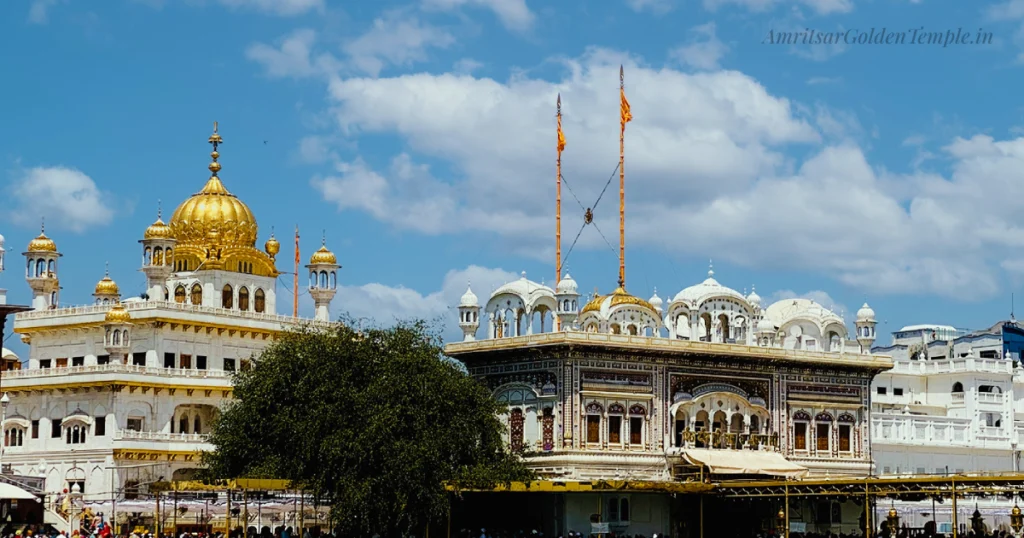
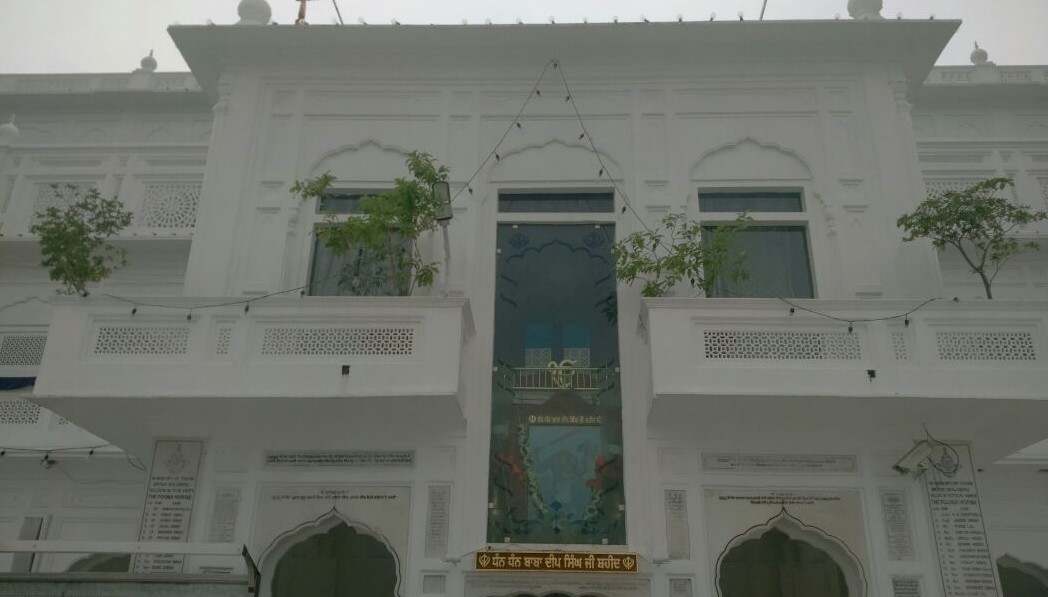
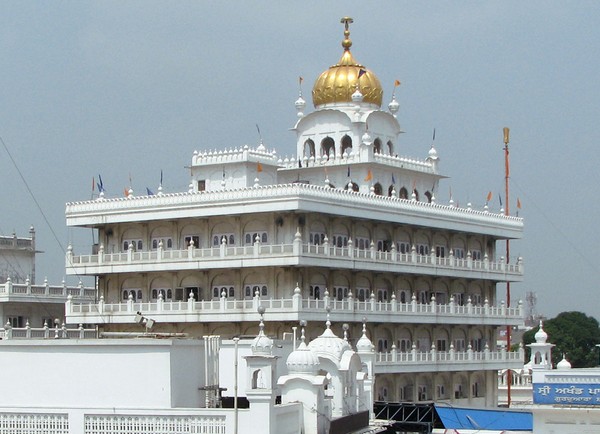
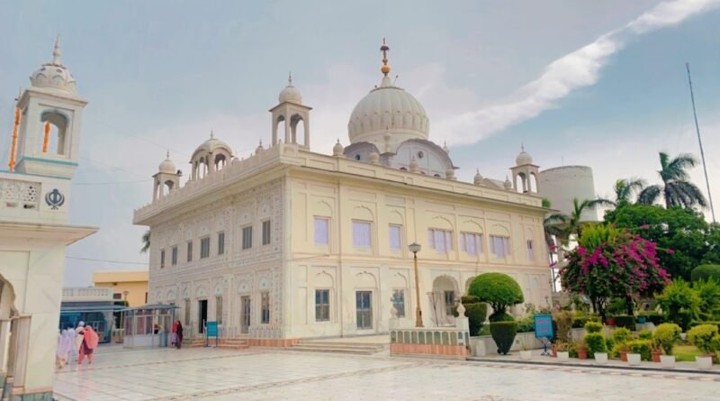
The modern structure, whose foundation stone was laid on December 17, 1956, is a striking example of classic Sikh architecture.
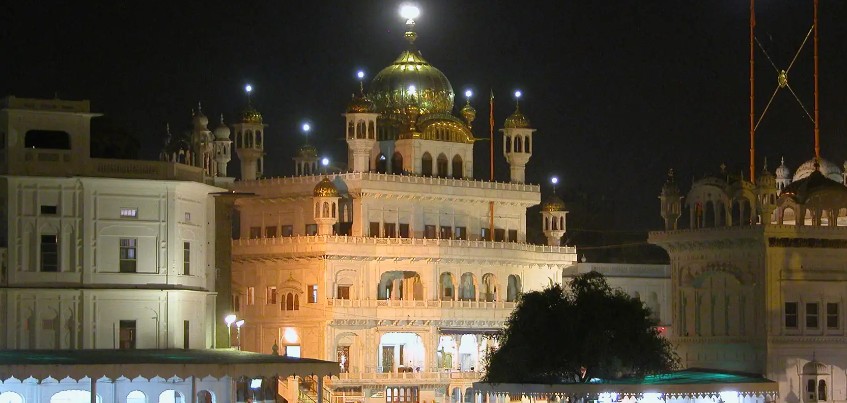
Built largely with serene white marble to symbolize peace and spiritual purity, the shrine stands on a raised platform above street level.
The central structure features a large square hall with an inner sanctum housing the Guru Granth Sahib.
Rising above the sanctum is a beautiful dome covered in white glazed tiles, topped with a brilliant, gold-plated pinnacle.
Architectural features like decorative arched copings, small corner kiosks (chhatris), and intricate stone carvings blend spiritual aesthetics with defensive Majha design elements.
This creates an environment that naturally fosters reflection and quiet contemplation.
5. The Living History: Babe Nanak Da Viah
Today, the historical legacy of the site comes alive during the annual celebration of Babe Nanak Da Viah, the wedding anniversary of Guru Nanak Dev Ji.
Held every year in the late summer month of Bhadon (August–September), this massive festival transforms the entire city of Batala into a vibrant celebration of faith, heritage, and community.
| Key Historical Elements | Significance at Kandh Sahib |
|---|---|
| The Preserved Mud Wall | Enclosed in a glass case next to the central sanctum as a symbol of the Guru's prophecy. |
| Babe Nanak Da Viah | The annual marriage anniversary festival that brings hundreds of thousands of pilgrims to Batala. |
| The Historic Procession | A grand Nagar Kirtan that retraces the historical journey from Sultanpur Lodhi to Batala. |
During the festival, a grand Nagar Kirtan (religious procession) travels from Gurdwara Ber Sahib in Sultanpur Lodhi to Batala, retracing the exact path taken by the historic wedding party over five centuries ago.
The festival features traditional martial arts (Gatka), continuous community kitchens (Langar), and non-stop hymn singing (Shabad Kirtan).
This festival is a remarkable example of living history. It shows how an event from 1487 CE continues to shape the cultural identity, economy, and community spirit of modern Punjab, ensuring that the legacy of Gurdwara Sri Kandh Sahib remains vibrant and enduring.
Location & contact
Wadda Bazar, near Kand Sahib, Achli Gate
- Phone: +91 1871 240242
- Email: info@sgpc.net
- Map: Open in Google Maps
- Website: Visit website
- Associated Gurus: Guru Nanak Dev Ji
Gallery