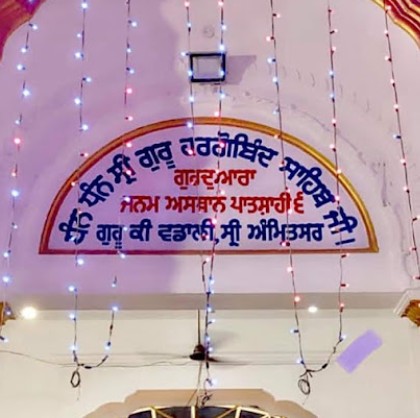
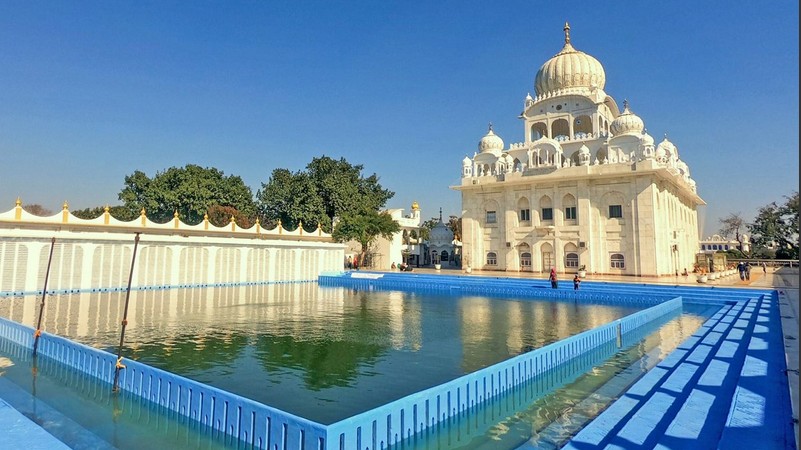
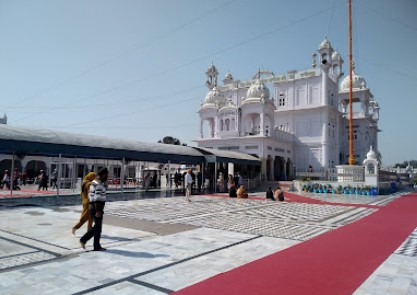
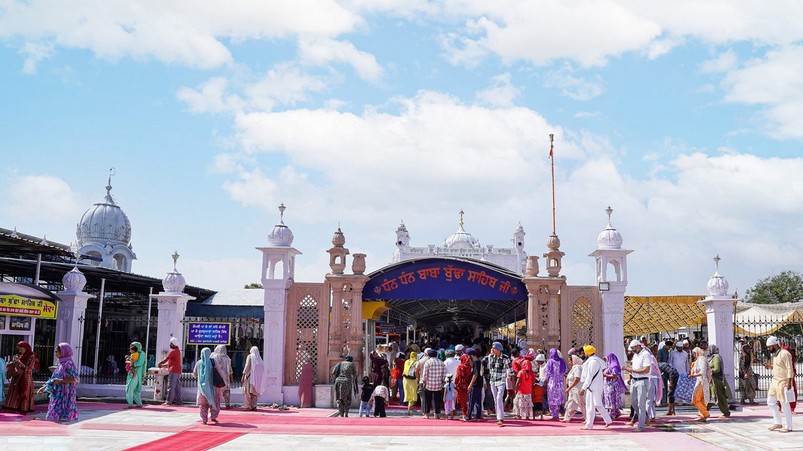
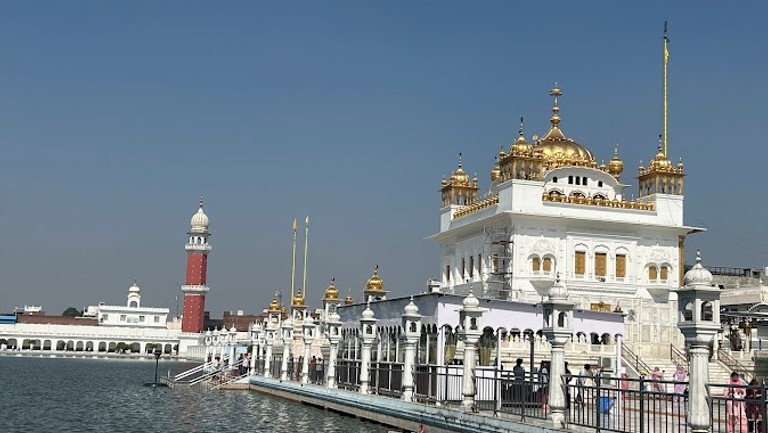
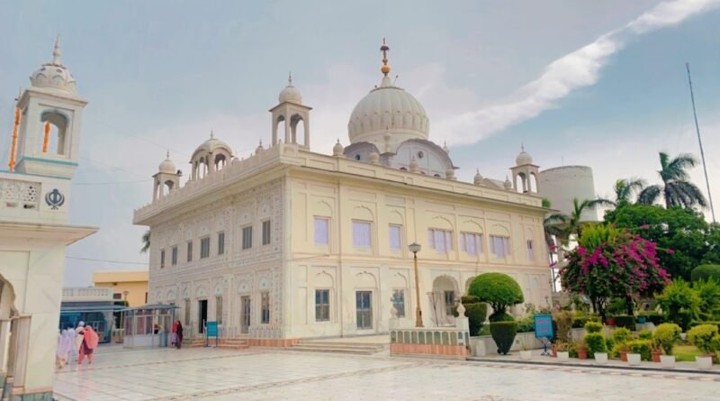
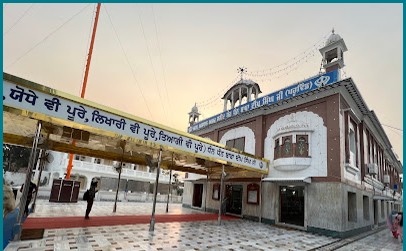
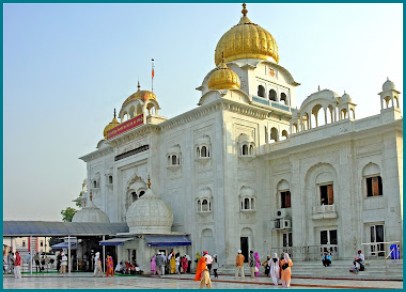
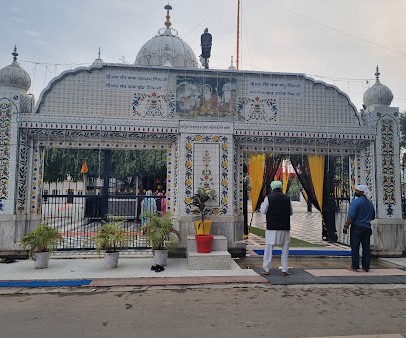
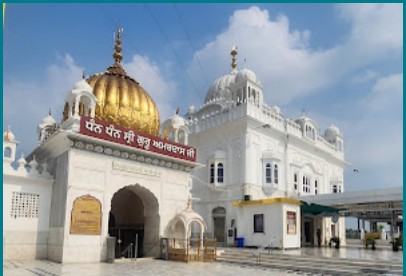
Gurudwara Guru Ke Mahal
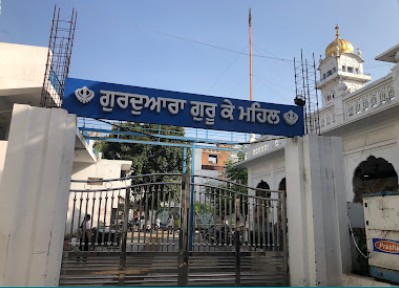
Here on Sunday morning, the 1st of April, 1621 AD, the residential quarters witnessed the birth of Tyag Mal, the youngest son of the sixth Master, Guru Hargobind Sahib and Mata Nanki Ji. In recognition of this latent martial fortitude and spiritual resilience, Guru Hargobind Sahib renamed the infant <strong>Teg Bahadur</strong>—the "Brave Sword."
The Cradle of the Ninth Master: A Historical Meditation on Gurudwara Guru Ke Mahal
A short walk into the alleys of Amritsar, the old walled city, brings a historian to a site of profound foundational significance. This is Gurudwara Guru Ke Mahal, an anchoring space that predates the institutionalization of many Sikh traditions and serves as the intimate, domestic backdrop to the lives of five successive Sikh Gurus.
Guru Ke Mahal is not merely a monument of brick and mortar; it is a vital lens through which we can understand the transformation of early Sikhism from a quietist spiritual community into a robust, socio-political force capable of challenging the hegemony of the Mughal Empire.
Amritsar
The origins of this holy site is inextricably linked to the very founding of Amritsar, originally known as Ramdaspur or Chak Ramdas. Established by Guru Ram Das, the fourth Sikh Guru, in the latter half of the sixteenth century, this residential complex was initially constructed as a modest home—a mahal—for the Guru’s family.
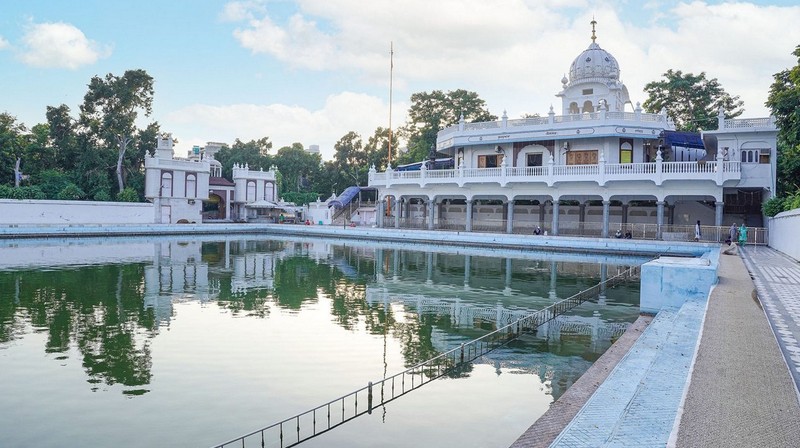
It was here that the holy tank, the Amrit Sarovar, was excavated under his guidance, transforming a forested tract of the Punjab into a bustling center of trade, spirituality, and community life.
As the seat of the Gurus shifted through successive lineages, the house expanded both physically and symbolically. It served as the primary residence for Guru Arjan Dev, who compiled the Adi Granth within these precincts, and later for Guru Hargobind, who introduced the concept of Miri-Piri (the dual sovereignty of temporal and spiritual authority).
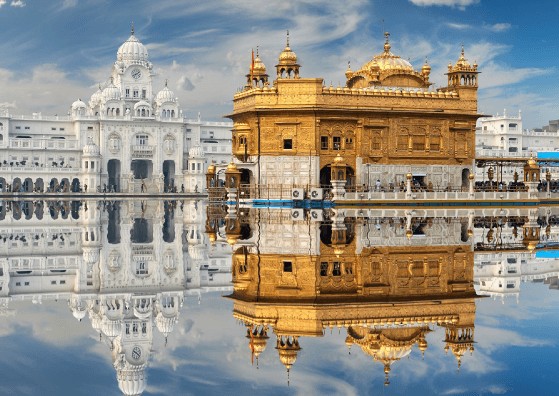
Consequently, Guru Ke Mahal represents a structural chronicle of the faith's early consolidation. It was the administrative and spiritual nerve center of the young community long before the grand plazas and sweeping causeways of the modern Golden Temple complex were engineered.
The Auspicious Birth: April 1, 1621 AD
On Sunday morning, the 1st of April, 1621 AD, the residential quarters witnessed the birth of Tyag Mal, the youngest son of the sixth Master, Guru Hargobind Sahib and Mata Nanki Ji.
Historical accounts describe an atmosphere of overwhelming joy engulfing the household, particularly captivating Mata Nanki, who had long prayed for a child of destiny.
The Punjab of the early seventeenth century was already a landscape marked by rising political tensions between the Sikh coreligionists and the regional Mughal authorities, following the martyrdom of Guru Arjan Dev in 1606.
Thus, the birth of a son to the reigning Miri-Piri-da-Malik—the master of both worldly governance and religious guidance—was viewed by the contemporary community not just as a private blessing, but as an event of monumental significance for the future trajectory of the faith.
When Guru Hargobind Sahib looked upon his newborn son, his spiritual insight and understanding of the shifting socio-political tides led to a moment of profound prophetic revelation.
Recognizing that this child possessed an extraordinary synthesis of Deg (the charity pot, symbolizing humanitarian service) and Teg (the sword, symbolizing defensive valor), the sixth Guru famously declared that the child would grow to be an unmatched protector of righteousness.
In recognition of this latent martial fortitude and spiritual resilience, he renamed the infant Teg Bahadur—the "Brave Sword."
"Sut bahaaduree neg kare hai,
Shatru brind ko Jang khape hal.
Yaate 'Teg Bahadur naam dhartya, Vichaar gur abheeraam."(This son will perform great deeds of valor, and in the theater of war, he will dismantle the ranks of the enemy. Therefore, after beautiful and deep contemplation, the Guru bestows upon him the name Teg Bahadur.)
The Architectural Evolution of a Sacred Space
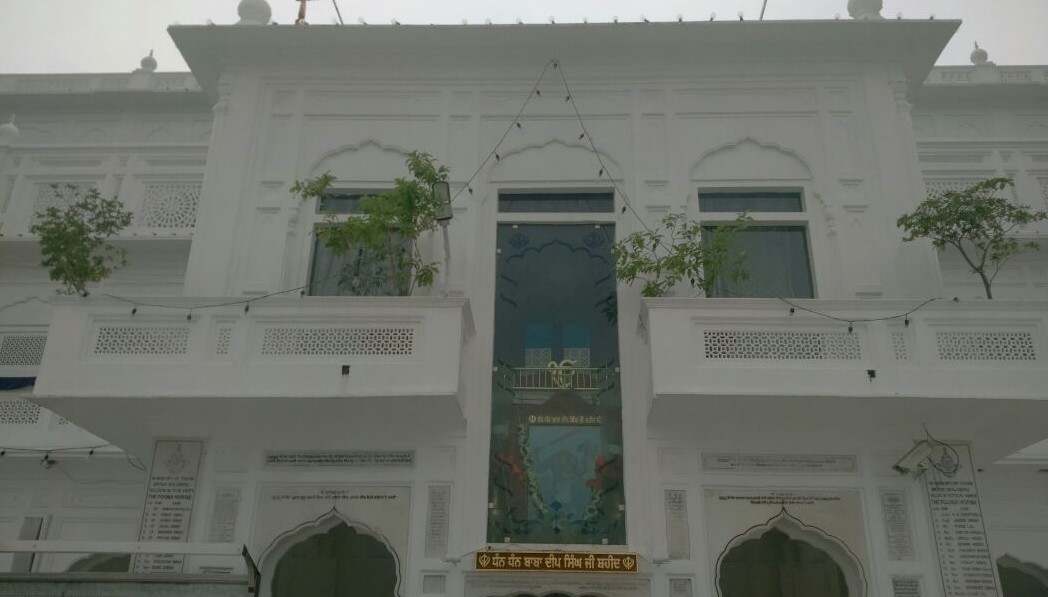
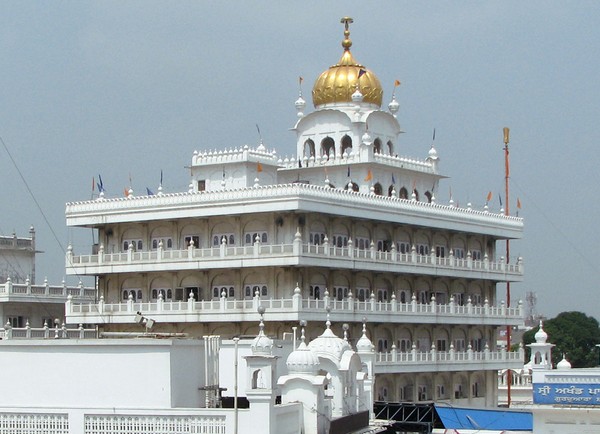
To understand the physical manifestation of Gurdwara Guru Ke Mahal today, one must trace its journey from a humble sixteenth-century residential dwelling to the multi-tiered shrine that exists in the twenty-first century.
The original structure, built with the traditional small Nanakshahi bricks and lime mortar typical of the period, was designed for domestic utility, featuring small living quarters, a central courtyard, and underground meditation chambers (tehkhanas) designed to provide respite from the blistering heat of the Punjabi summers.
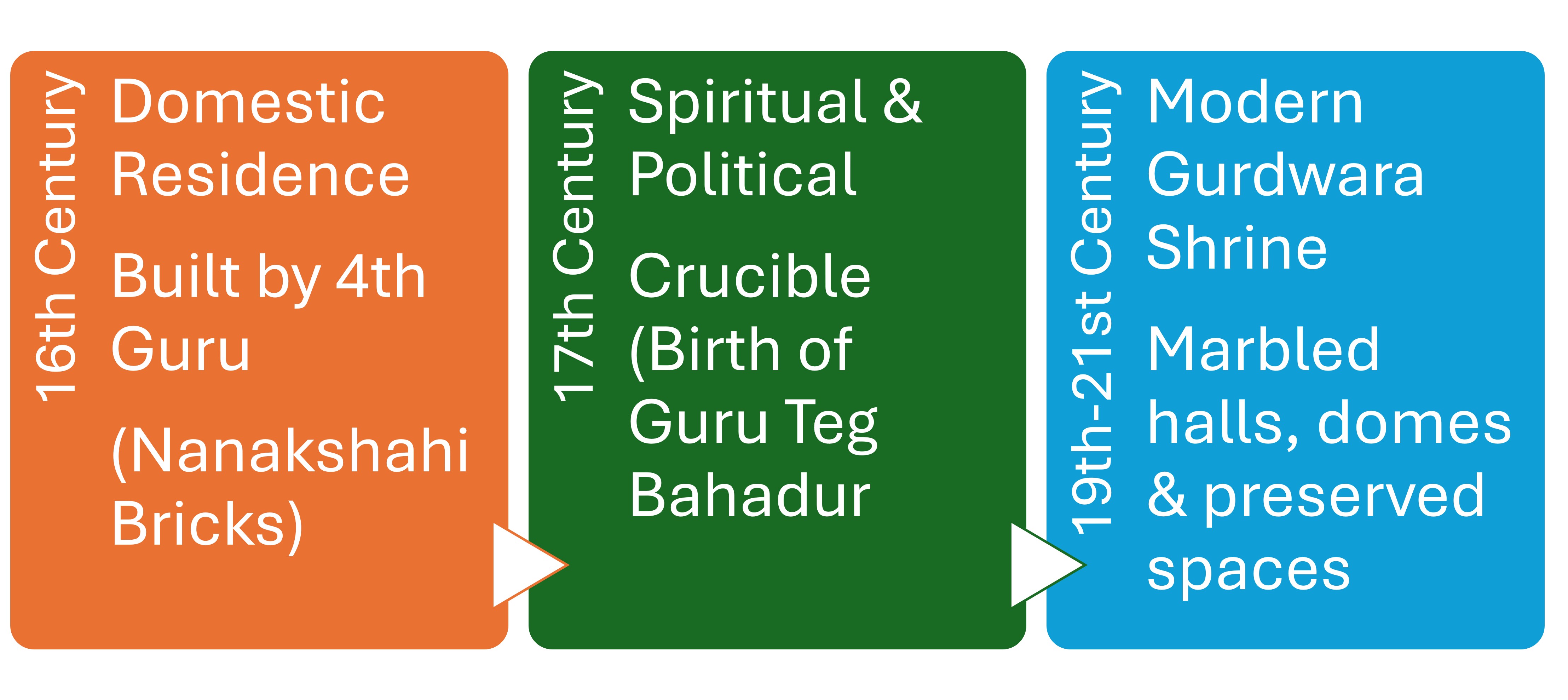
As the centuries progressed and the Sikh community faced periods of intense persecution, evacuation, and eventual triumph during the Misal era and the reign of Maharaja Ranjit Singh, the site underwent several phases of reconstruction and embellishment.
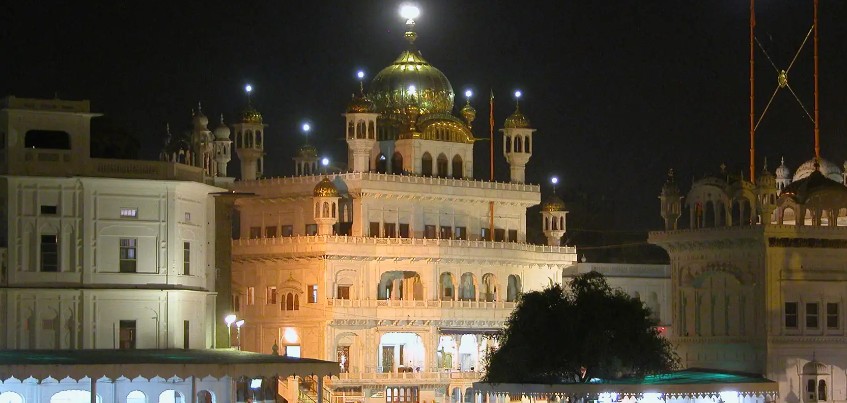
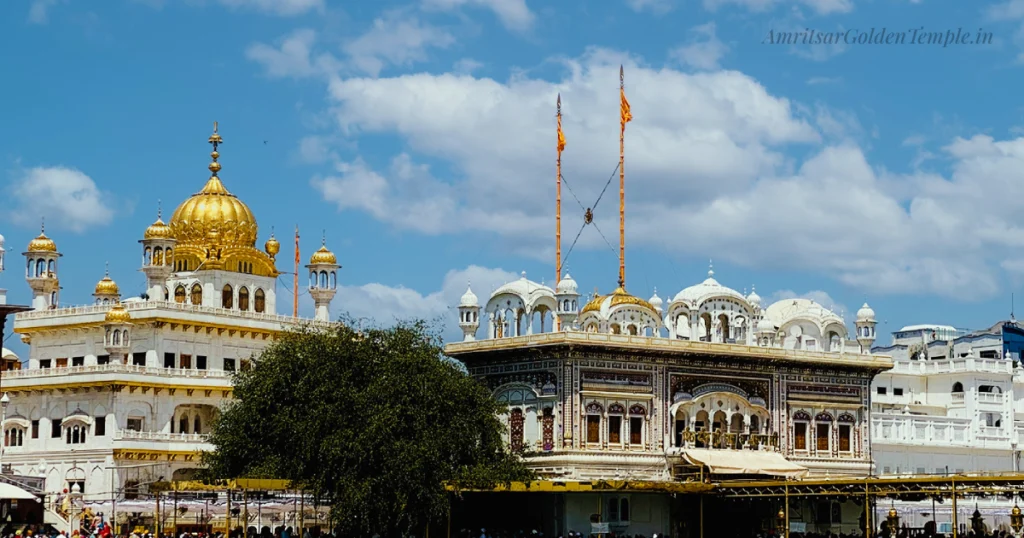
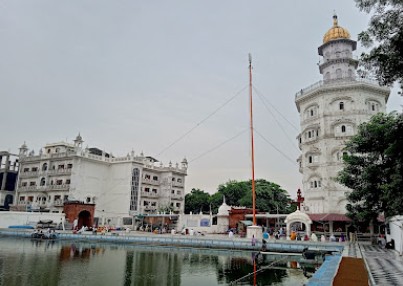
The modern Gurdwara, while retaining the sacred spots associated with the Gurus' lives, features a main diwan hall, beautifully embellished marble floors, and a gilded dome that rises above the dense urban canopy of old Amritsar.
For the visitor navigating the current complex, the spiritual and historical emotional core of the Gurdwara is located in its basement levels.
Here, preserved with immense reverence, is the exact room where Guru Teg Bahadur Sahib was born, alongside the underground cell where he spent hours in intense, silent meditation during his formative years.
The architectural layout creates a stark, deliberate contrast between the bustling, vibrant kirtan performances in the upper diwan hall and the profound, heavy silence of the lower chambers.
This juxtaposition perfectly mirrors the dual nature of Guru Teg Bahadur’s life: a journey defined by deep, internal mystical quietude that ultimately manifested in the most public, courageous, and politically consequential martyrdom in medieval Indian history.
The Historical Crucible of Punjab
From a historiographical perspective, the environment of Guru Ke Mahal during the 1620s and 1630s was crucial in shaping the character of the young Teg Bahadur.
Growing up in the household of Guru Hargobind, the young prince was witness to a radical reorientation of the Sikh lifestyle.
He watched his father don two swords, maintain a retinue of armed warriors, build the Akal Takht, and fight defensive battles against Mughal forces right on the outskirts of Amritsar.
Yet, within the walls of Guru Ke Mahal, the atmosphere remained anchored in the serene compositions of the Guru Granth Sahib, intellectual scholarship, and absolute devotion to the Divine.
It was this unique environment—a synthesis of saintly contemplation and soldierly discipline—that forged Teg Bahadur’s distinctive worldview, preparing him for his future role as a spiritual guide who could calmly look upon life and death with equal equanimity.
The subsequent departure of the Gurus from Amritsar to Kiratpur in the mid-1630s marked a period of quietude for Guru Ke Mahal, as the focal point of Sikh geopolitics shifted to the Shivalik foothills.
However, the sanctity of the site remained unblemished in the collective memory of the community.
When Guru Teg Bahadur eventually ascended to the spiritual throne as the Ninth Master in 1664 and returned to visit his birthplace, the site became a focal point of intense emotion and historical continuity, linking his ultimate sacrifice in Delhi back to the very rooms where his father had predicted his destiny as a shield against tyranny.
The Enduring Legacy of the Ninth Master
Today, Gurdwara Guru Ke Mahal stands as a quiet yet powerful monument to a turning point in world history.
It serves as a reminder that the grand narratives of empires and religious movements are often conceived in modest, domestic settings.
The prophecies uttered within these walls by Guru Hargobind were not empty words; they were realized when Guru Teg Bahadur stood up for the religious freedom of the Kashmiri Pandits and faced execution in Chandni Chowk in 1675, earning the eternal title of Hind-di-Chadar (the Shield of India).
The preservation of Guru Ke Mahal ensures that future generations of scholars and devotees can trace the lineage of this unparalleled courage back to its geographic source.
It stands as an indispensable chapter in the sacred geography of Amritsar, inviting all who enter to reflect on the long, arduous journey of a child named Tyag Mal, who, within these very walls, was destined to become the great Teg Bahadur.
Location & contact
24, Guru Bazar Rd, Shastri Market, Katra Ahluwalia
- Phone: 099151 65915
- Map: Open in Google Maps
- Associated Gurus: Guru Hargobind Sahib Ji · Guru Tegh Bahadur Ji