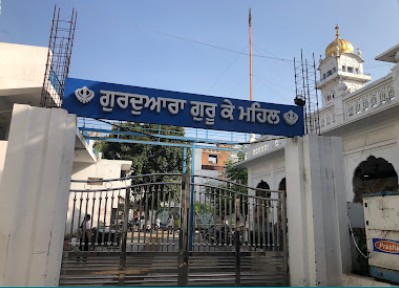
Gurdwara Sri Chola Sahib (Dera Baba Nanak)
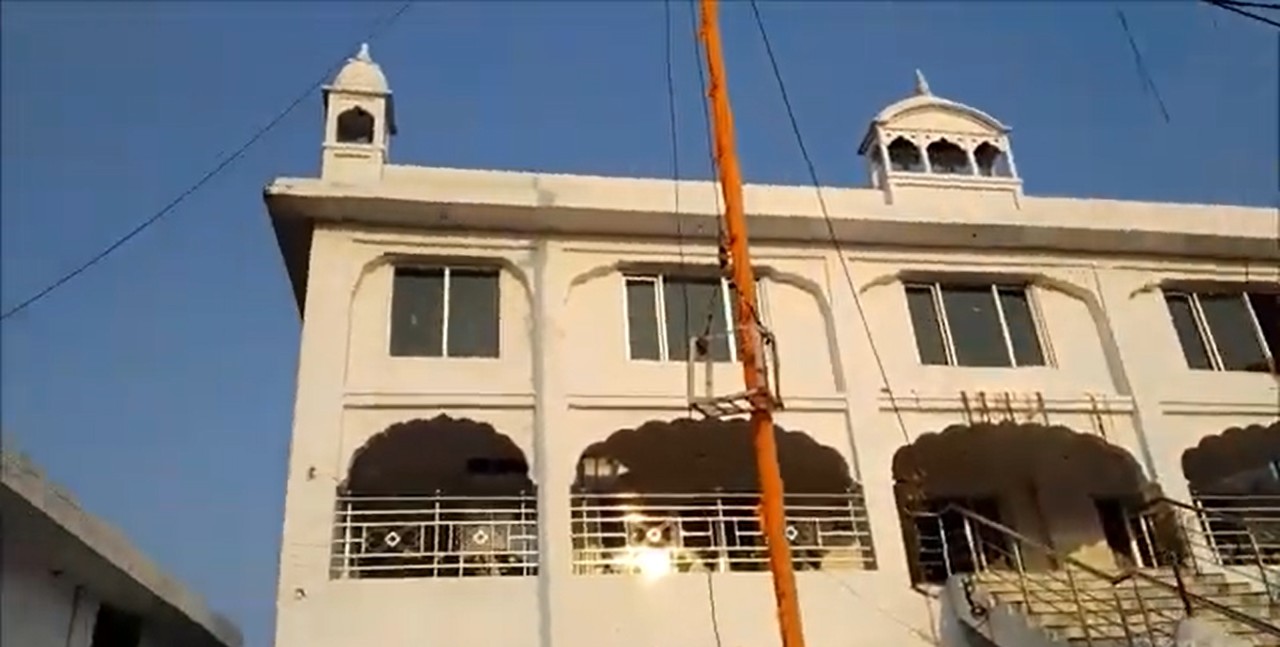
Gurdwara Sri Chola Sahib (Dera Baba Nanak) is where Guru Nanak Dev Ji spent the final years of his life just across the river. This specific Gurudwara is globally revered because it houses a sacred cotton robe (*Chola Sahib*) covered with scriptural Arabic
The Fabric of the Infinite: Gurdwara Shri Chola Sahib, Dera Baba Nanak
Introduction: The Threshold of Geography and Grace
Nestled in the Gurdaspur district, a mere kilometer from the international border that separates India and Pakistan, lies the quiet, evocative town of Dera Baba Nanak. From a historian’s perspective, this region is not merely a topographical space but a living archive of the early sixteenth century. It sits on the banks of the River Ravi, directly facing Kartarpur Sahib, the fertile plains where Guru Nanak Dev Ji chose to spend the final, highly transformative eighteen years of his earthly journey.
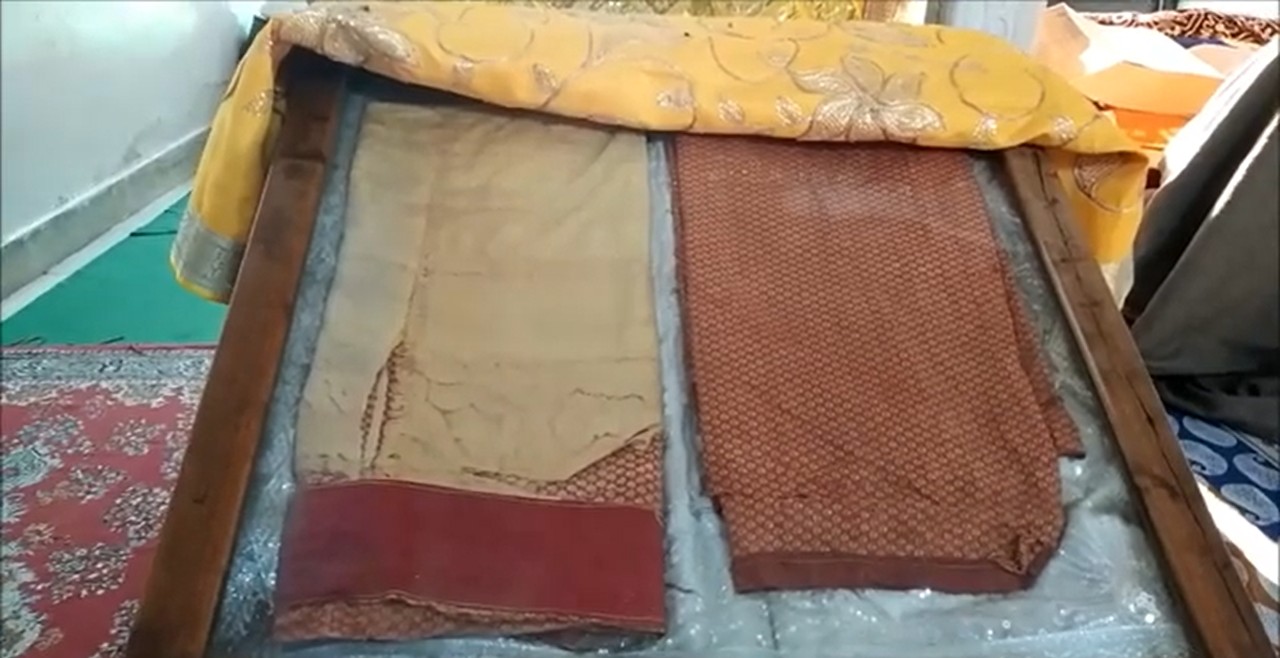
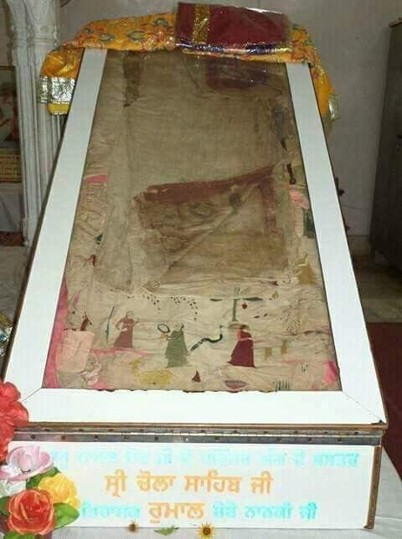
Within this sacred perimeter stands Gurdwara Shri Chola Sahib—a monument that functions as a structural reliquary, holding within its walls one of the most physically tangible and profound artifacts of early Sikh history: the Chola Sahib, the holy cloak or vestment worn by the founder of the faith.
The town of Dera Baba Nanak itself was built by the descendants of Guru Nanak, the Bedis, who recognized the immense historical and spiritual gravity of the land where their great ancestor walked, farmed, and institutionalized the core tenets of Sikhism. Gurdwara Shri Chola Sahib stands distinct within this landscape, drawing pilgrims and scholars alike not just for its architectural grandeur, but for the silent, majestic narrative woven into the fibers of the ancient textile it protects.
Section I: The Fourth Udasi and the Genesis of the Chola
The historical lineage of the sacred robe is intimately tied to Guru Nanak Dev Ji’s extensive travels, traditionally known as Udasis. These long, arduous journeys were essentially philosophical and spiritual missions undertaken by the Guru to dismantle entrenched superstitions, challenge tyrannical regimes, and spread the universal message of Ik Onkar (the One Supreme Reality).
It was during his fourth and final Udasi, which commenced around 1519 CE and was directed toward the west into the Islamic heartlands of the Middle East—including Mecca, Medina, Baghdad, and the wider Arabian peninsula—that the story of the Chola finds its historical origin.
According to historical records, including traditional Janamsakhis and the comprehensive Suraj Prakash, Guru Nanak reached an Arabian kingdom or region governed by a ruler often identified in oral and textual traditions as the Lajward king, or alternatively, high-ranking Muslim savants and spiritual leaders in Baghdad.
The local rulers and Islamic scholars were initially skeptical of this traveling dervish from the subcontinent who wore an eclectic attire that defied traditional sectarian categorization, appearing as neither purely a conventional Hindu ascetic nor an orthodox Muslim fakir.
However, upon engaging in deep, illuminating philosophical discourses with Guru Nanak, the local sovereign and his court were utterly captivated by the Guru’s luminous spirituality, his rejection of hollow ritualism, and his profound articulation of the omnipresence of God.
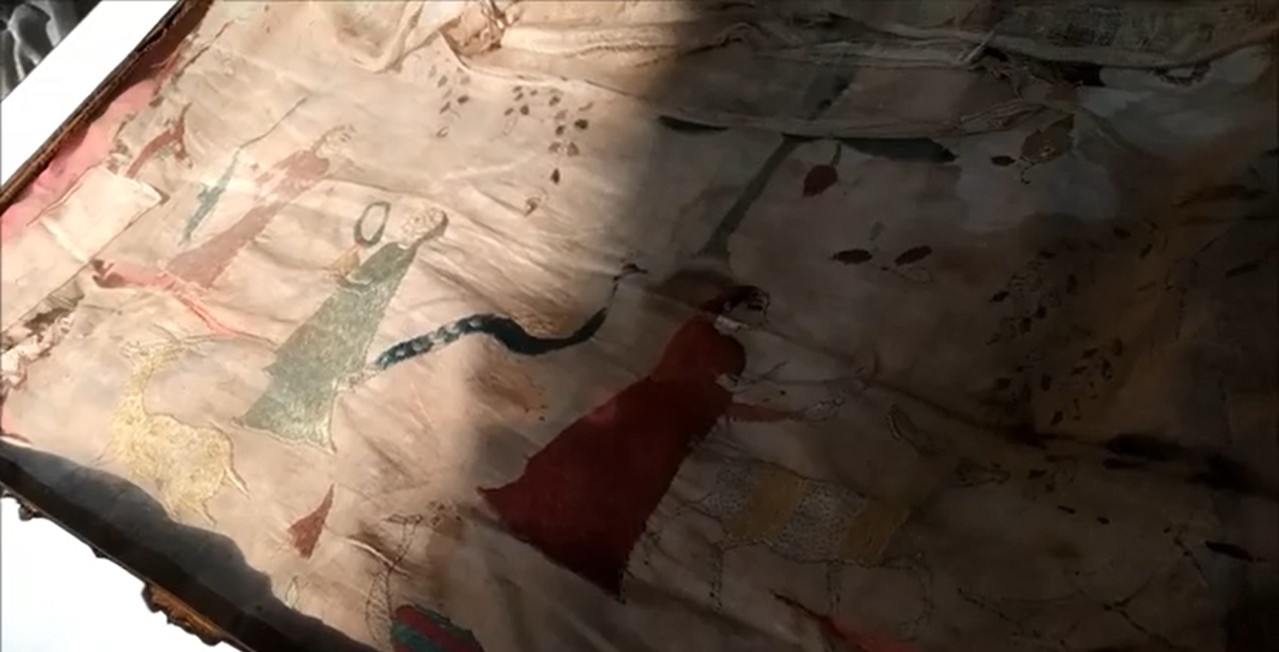
In a gesture of immense reverence and spiritual surrender, the local rulers presented Guru Nanak with a magnificent, specially prepared robe. This was not a standard garment of state; it was a Khilka-type gown or cloak crafted out of premium fabric, meticulously embroidered with verses from the Holy Quran, Arabic numerals, and geometric designs arranged in a manner characteristic of protective spiritual charms or mystical diagrams.
The presentation of this robe symbolized the universal recognition of Guru Nanak’s spiritual authority, transcending the rigid geopolitical and religious boundaries of the medieval world.
Section II: The Migration of the Relic across Centuries
The historical journey of the Chola Sahib from the dusty roads of sixteenth-century Mesopotamia to the fertile plains of Punjab is an epic tale of devotion, custody, and survival.
Guru Nanak Dev Ji wore this sacred robe during his return journey to Punjab. Upon settling at Kartarpur, he eventually cast off his traveling attire (Udasi Bana) to adopt the simple, worldly dress of a householder and farmer, signifying that true spirituality does not require renunciation of the world.
The Chola Sahib, however, was preserved as a highly sacred item, symbolizing the transmission of divine light (Joti). Historical traditions record that the robe was passed down alongside the Guru Gaddi through successive Patshahiyas, serving as a physical emblem of spiritual inheritance up until the time of the fifth Guru, Sri Guru Arjan Dev Ji, in the early seventeenth century.
Chronological Transmission of the Chola Sahib
| Year | Historical Event |
|---|---|
| 1519 CE | Presented to Guru Nanak Dev Ji in the West |
| 1539–1604 | Passed down through successive Sikh Gurus |
| 1604 CE | Entrusted to Bhai Tota Ram of Balkh Bukhara |
| 1828 CE | Brought to Dera Baba Nanak by Baba Kabali Mall |
In 1604 CE, during the intense period of compiling the Adi Granth and constructing the sacred Sarovar of Sri Harmandir Sahib in Amritsar, a dedicated Sikh named Bhai Tota Ram, hailing from Balkh Bukhara (modern-day Afghanistan), arrived in Punjab to perform Sewa.
Deeply pleased with his unwavering devotion, Guru Arjan Dev Ji entrusted the safe custody of the Chola Sahib to Bhai Tota Ram, who reverently carried the sacred relic back to Central Asia.
For generations, the family of Bhai Tota Ram protected the robe, shielding it within a secluded cave to prevent desecration during periods of intense geopolitical upheaval and conflict in the region.
The artifact finally returned to its ancestral home in Punjab in the early nineteenth century. Baba Kabali Mall, a direct and prominent descendant of Guru Nanak Dev Ji living in Dera Baba Nanak, undertook a journey to Afghanistan to retrieve the family legacy.
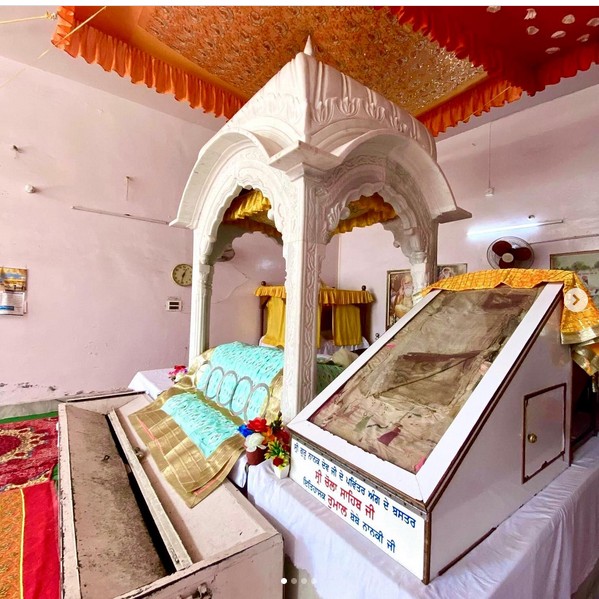
On March 1, 1828, amidst immense spiritual fervor, the Chola Sahib was successfully brought back to Dera Baba Nanak. To house this unparalleled relic, a dedicated shrine was established, which eventually evolved into the Gurdwara Langar Mandir Chola Sahib.
Section III: The Architecture of Devotion and the Imperial Touch
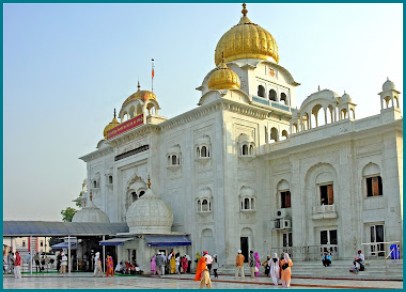
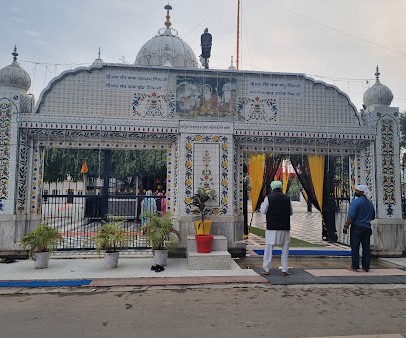
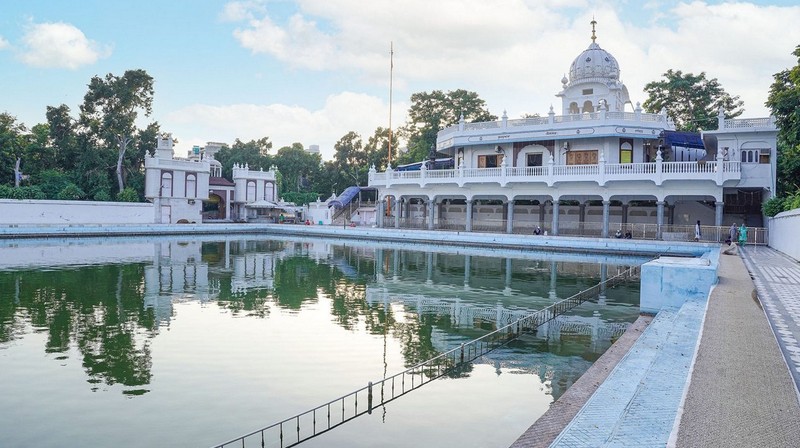
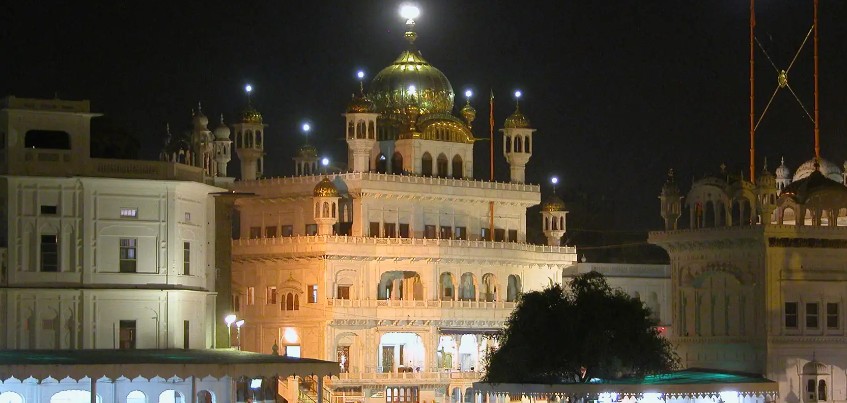
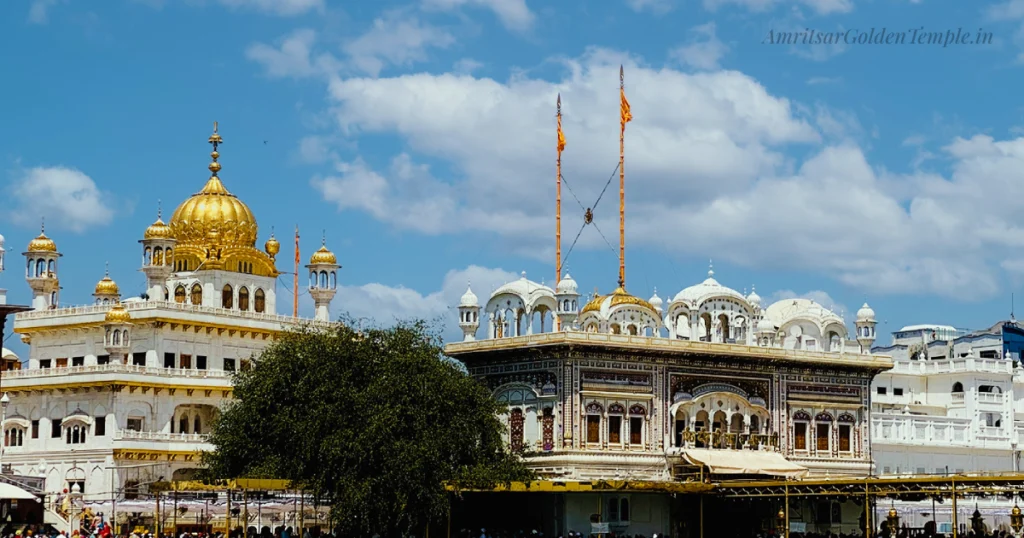
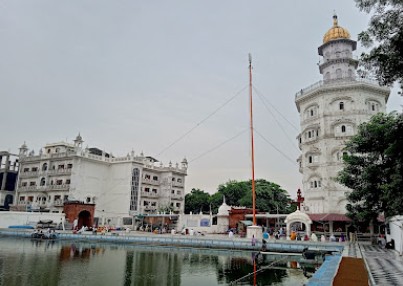
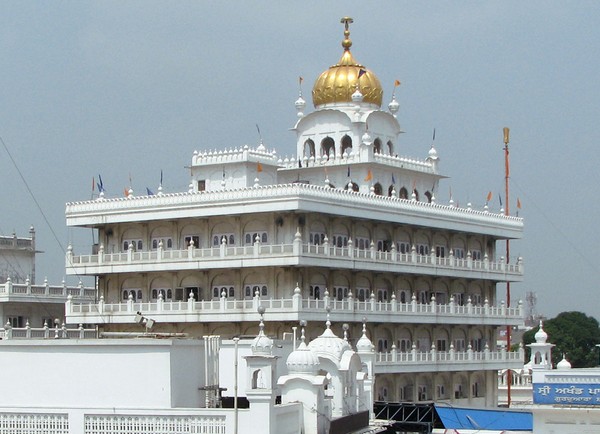
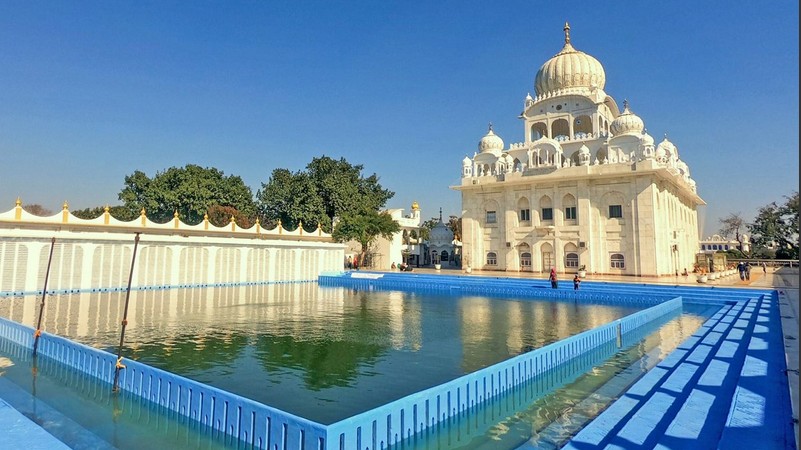
Architecturally, Gurdwara Shri Chola Sahib reflects the classic, majestic idioms of Sikh architecture that matured during the late eighteenth and early nineteenth centuries under the patronage of the Sikh Empire.
As you approach the holy shrine, your eyes are immediately drawn to the stunning golden dome that crowns the white marble structure. This magnificent dome was financially patronized and embellished under the direct orders of Maharaja Ranjit Singh.
The Maharaja, renowned for his deep reverence for the Gurus and his prolific funding of historical Sikh shrines, recognized Dera Baba Nanak as a crucial site of imperial and spiritual heritage.
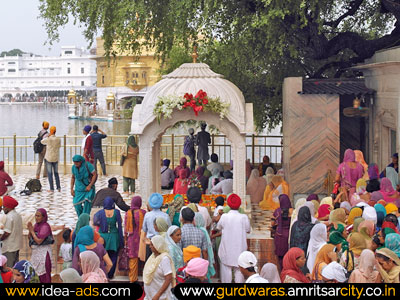
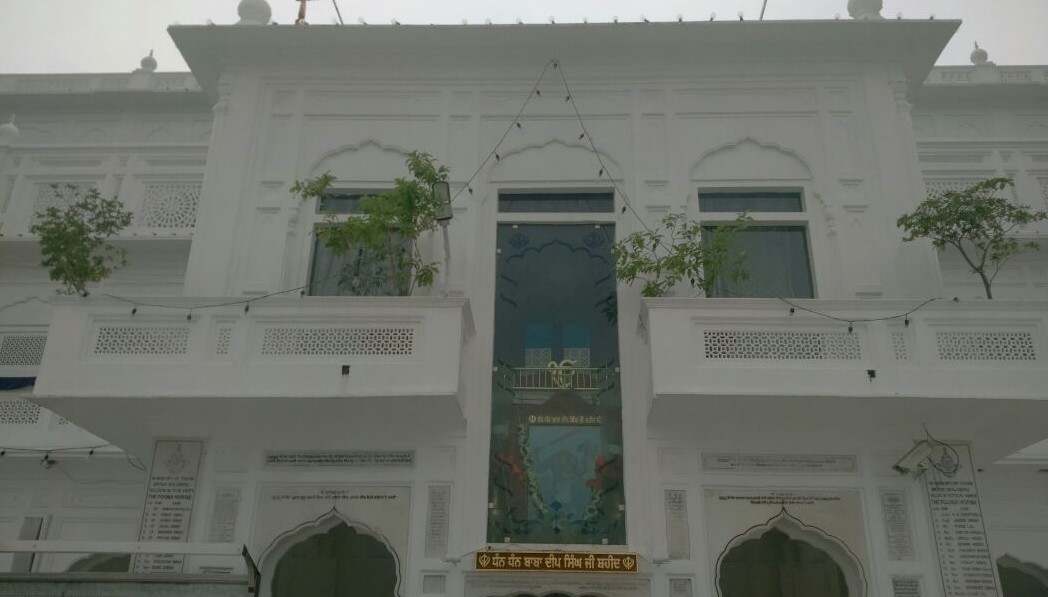
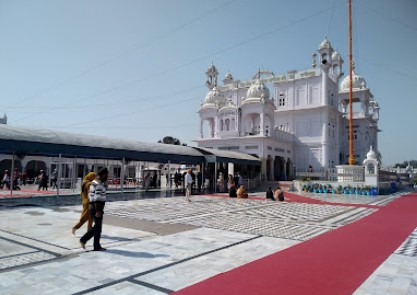
The use of premium white marble slabs throughout the complex creates an atmosphere of pristine purity, designed to instill a profound sense of peace and contemplation in the hearts of visitors.
The gurdwara complex is thoughtfully laid out over a multi-storey structure, built around a spacious ground floor hall. This hall marks the historic spot where Guru Nanak Dev Ji engaged in profound theological and philosophical discussions with local sages, including Ajita Randhawa.
Surrounding the main sanctuary are meticulously manicured gardens that serve as a natural buffer against the chaotic outside world, amplifying the tranquil, meditative aura of the shrine.
Within the wider courtyard of the complex, one encounters historical structures such as the Samadhi of Baba Kabali Mall and an ancient, octagon-shaped water well.
This well holds a vital place in local folk tradition and heritage, as its waters have been gathered for generations by pilgrims who believe it possesses deep curative and restorative properties.
Section IV: Textual Analysis and Cultural Confluence
The Chola Sahib is an absolute marvel of medieval craftsmanship and an invaluable material document of inter-faith dialogue.
The robe features intricate embroidery that seamlessly merges calligraphic skill with textile design. The presence of Perso-Arabic inscriptions, specific Quranic verses, and numerical matrices arranged in a protective talismanic format (Tawiz) challenges the rigid, exclusive narratives often imposed on medieval religious history.
It serves as an empirical testament to how deeply Guru Nanak Dev Ji was revered across traditional communal divides, treated not as an outsider, but as an enlightened Pir or mystic within the Islamic world he traveled through.
The Textile Composition of the Chola
| Material Base | Surface Details |
|---|---|
| Plain-weave cotton/silk hybrid | Arabic Calligraphy |
| Weathered natural fibers | Protective Numerical Charms |
| Traditional Khilka silhouette | Intricate Geometric Borders |
The preservation of this artifact over half a millennium is nothing short of extraordinary. The fabric, having aged over 500 years, has naturally lost a degree of its structural flexibility and tensile strength, showing the inevitable signs of natural wear, environmental exposure, and historical handling.
In the wider history of textile conservation in Punjab, garments associated with the Gurus have required advanced conservation interventions to arrest fungal degradation and stabilize delicate fibers.
The community at Dera Baba Nanak, driven by a deep emotional and spiritual attachment, has traditionally guarded the Chola Sahib with immense vigilance, viewing themselves not merely as property owners, but as sacred trustees of a physical piece of the infinite.
Conclusion: The Living Archive of Dera Baba Nanak
Ultimately, Gurdwara Shri Chola Sahib is far more than a repository for an ancient piece of cloth; it is a vital, living institution where history, memory, and faith converge.
Every year in early March, corresponding to the traditional dates of 21 to 23 Phagun, the quiet town of Dera Baba Nanak transforms into a vibrant sea of humanity during the annual Jor Mela.
During this momentous festival, thousands of pilgrims from across the globe converge on the shrine to catch a glimpse (Darshan) of the holy vestment, keeping alive a tradition that has continued unbroken since Baba Kabali Mall brought the robe back from Central Asia in 1828.
From a historian's perspective, standing in the precincts of Gurdwara Shri Chola Sahib, with the distant horizon of Kartarpur visible across the international border, offers a profound meditation on the enduring power of material heritage.
Empires have risen and crumbled, boundaries have been violently redrawn, and rivers have shifted their courses over the last five centuries. Yet, the simple, elegantly embroidered robe of Guru Nanak Dev Ji remains intact.
It stands as an enduring monument to a spiritual legacy that continues to clothe humanity in the universal virtues of peace, equality, and unconditional love.
Location & contact
Dera Baba Nanak Town, Near India-Pakistan Border, Gurdaspur District
- Phone: +91 1871 280242
- Email: info@sgpc.net
- Map: Open in Google Maps
- Website: Visit website
- Associated Gurus: Guru Nanak Dev Ji
Gallery