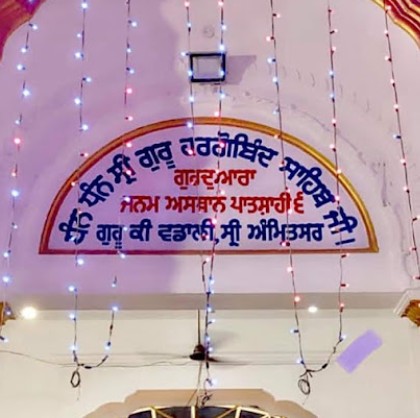
Gurudwara Bibi Kaulan Ji Sri Kaulsar Sahib
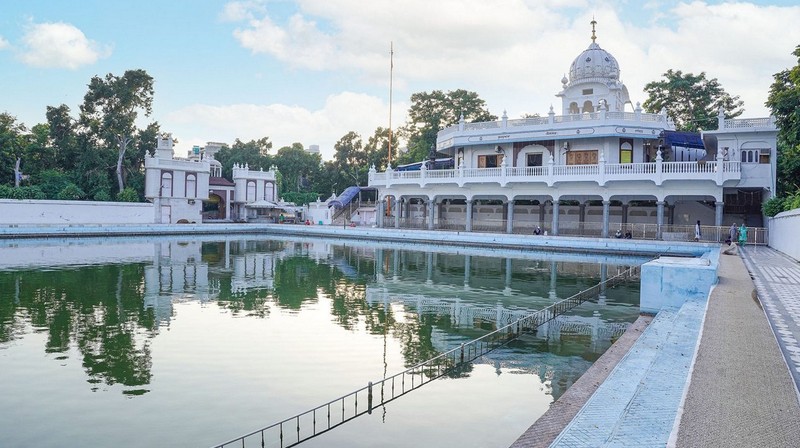
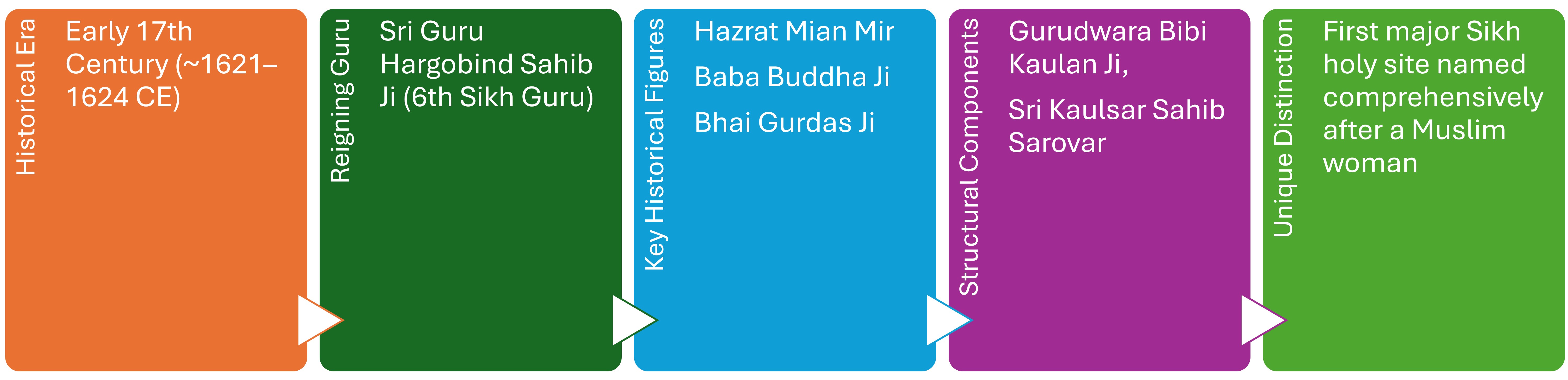
The first major shrine in Sikh history named after a Muslim woman, immortalizing her spiritual liberation and her choice to seek asylum under the protection of the Guru. The excavation of Sri Kaulsar Sahib began under the direct supervision of Guru Hargobind Sahib Ji, Baba Buddha Ji, the venerable first granthi of the Golden Temple, and Bhai Gurdas Ji, the master scholar and scribe of early Sikh history.
Echoes of Devotion: Gurudwara Bibi Kaulan Ji and Sri Kaulsar Sahib
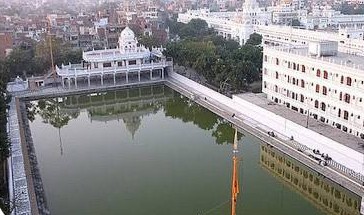
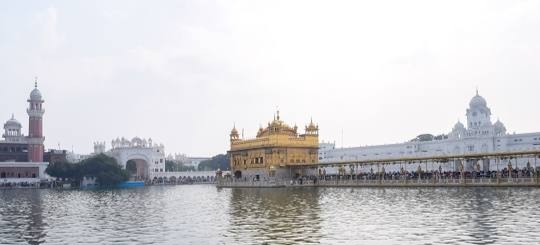
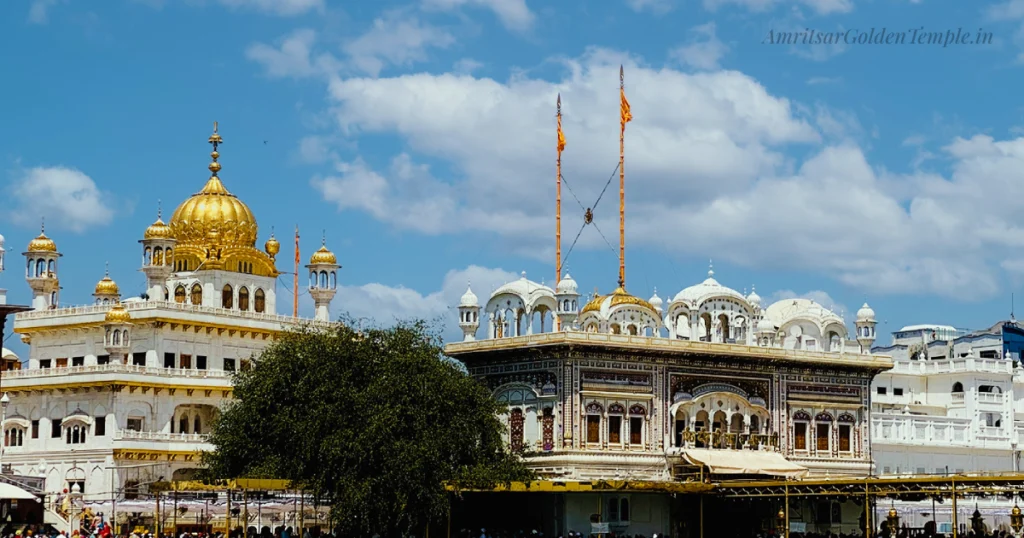
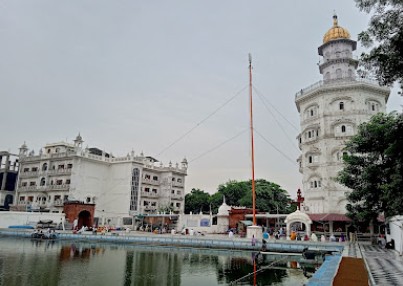
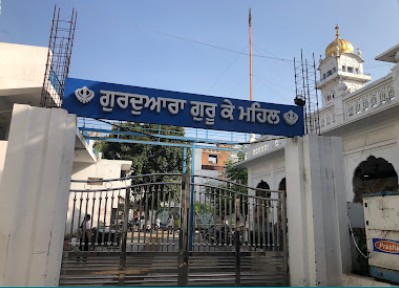
Just a stone’s throw from the bustling parikrama of the Golden Temple lies a space of profound historical, socio-religious, and architectural significance: Gurudwara Bibi Kaulan Ji and the holy sarovar (pool) of Sri Kaulsar Sahib.
To stand on the banks of this secondary sarovar is to step directly into the complex cultural and geopolitical landscape of early 17th-century Punjab.
This space serves as a monumental testament to a revolutionary historical pivot—a moment where nascent Sikhism radically challenged the rigid patriarchal and religious hierarchies of the Mughal Empire.
It stands uniquely as the first major shrine in Sikh history named after a Muslim woman, immortalizing her spiritual liberation and her choice to seek asylum under the protection of the Guru.
The Geopolitical and Religious Matrix of 17th-Century Lahore
To understand how this sacred site came to be, we must look backward into the archives of the early 1600s.
The region of Punjab was under the firm administrative control of the Mughal empire, with Lahore serving as a booming, complex urban center of politics, Islamic jurisprudence, and diverse spiritual movements.
Within this sphere lived Mata Kaulan Ji (initially referred to as Bibi Kaulan), a woman of profound spiritual intellect.
Historical accounts diverge slightly on her exact origins, with some traditional narratives identifying her as the daughter or adopted ward of Qazi Rustam Khan, a strict and powerful Islamic magistrate of Lahore, while others point to her position as a deeply devout student of the revered Sufi saint, Hazrat Mian Mir.
Regardless of the domestic specifics, the historical consensus remains clear: Bibi Kaulan was intensely drawn to the mystical, egalitarian ethos of the Sikh Gurus.
She spent her days reciting the compositions of Guru Nanak Dev Ji and meditating upon the divine hymns compiled in the early versions of the Adi Granth.
In the socio-political climate of the time, a Muslim woman openly embracing the teachings of a non-Islamic, burgeoning spiritual movement was seen as a severe act of religious rebellion.
Faced with fierce opposition, house arrest, and the terrifying prospect of a fatwa (a legal decree) that threatened her very life, her position in Lahore became entirely untenable.
Recognizing the imminent danger to her life, Hazrat Mian Mir—who maintained a deep, mutually respectful relationship with the Sikh house—intervened.
He arranged for her safe escape from Lahore, directing her toward Amritsar to seek the protection of the reigning Sixth Sikh Guru, Sri Guru Hargobind Sahib Ji.
This single event was an incredible risk for the Guru; granting political and religious asylum to a high-profile defector from the magistrate's household was an open challenge to local Mughal authority, signaling the growing sovereignty and fearlessness of the Sikh community.
Asylum, Equality, and the Commandment of Guru Hargobind Sahib
When Bibi Kaulan arrived in Amritsar around 1621, she was received not as a refugee, but with the profound dignity and honor characteristic of the Guru’s court.
Guru Hargobind Sahib Ji provided her with a separate, secure residential quarter near the site of the present gurudwara, ensuring her safety and autonomy so that she could pursue her spiritual devotion without fear of persecution.
In a time when women across empires were frequently treated as geopolitical pawns or casualties of patriarchal honor, the Guru’s actions underscored a foundational, yet radical, Sikh tenet: the absolute spiritual equality and right to protection for all human beings, completely independent of gender or ancestral creed.
Bibi Kaulan spent the remainder of her earthly days in deep meditation and selfless service (sewa).
Her devotion was so profound that it deeply moved both the Guru and the growing congregation (sangat).
Sensing her detachment from worldly legacies, Guru Hargobind Sahib Ji made a historic declaration to ensure her memory would outlast the passage of time.
He commanded that a holy sarovar be excavated in her honor and decreed that its construction take precedence even over expansions to the main pool of the Harmandir Sahib.
Furthermore, the Guru directed that pilgrims visiting Amritsar should first dip into the waters of Sri Kaulsar Sahib before proceeding to the main pool, permanently weaving her legacy into the daily, cyclical rituals of Sikh pilgrimage.
Excavation, Construction, and Architectural Manifestation
The physical excavation of Sri Kaulsar Sahib began under the direct supervision of Guru Hargobind Sahib Ji, with the foundational assistance of towering historical figures like Baba Buddha Ji, the venerable first granthi of the Golden Temple, and Bhai Gurdas Ji, the master scholar and scribe of early Sikh history.
The excavation of this massive tank required tremendous collective labor, drawing volunteers from across the region in a communal display of dedication.
Completed around 1624, the sarovar became the fifth holy tank of Amritsar, significantly expanding the spiritual and physical footprint of the growing sacred city.
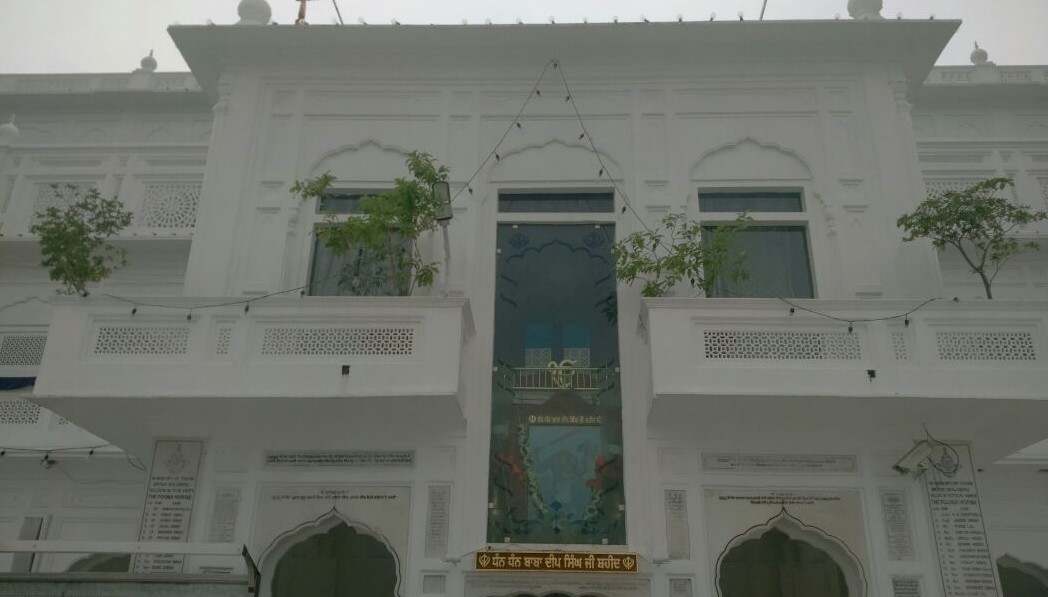
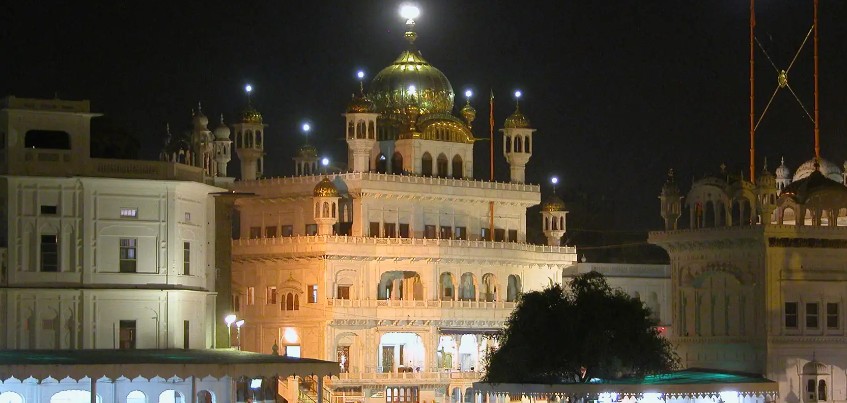
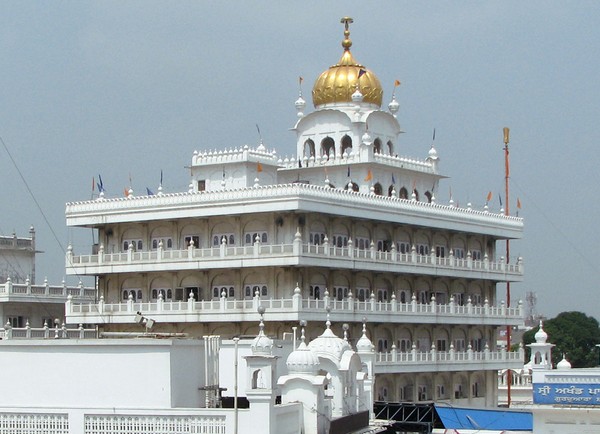
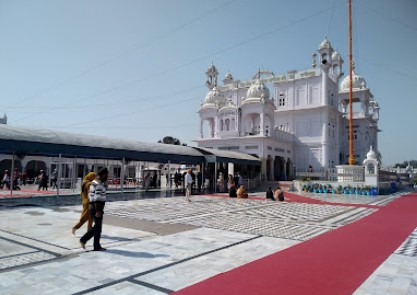
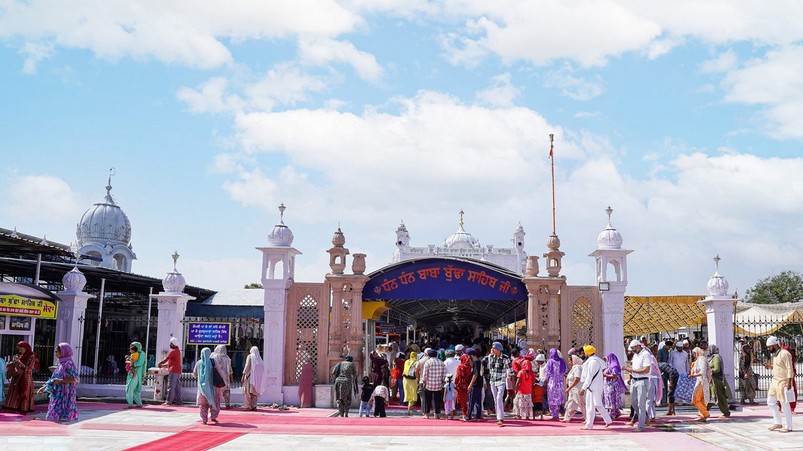
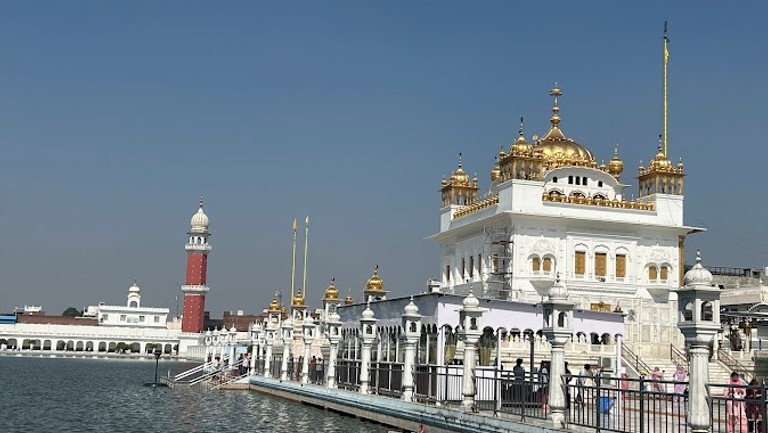
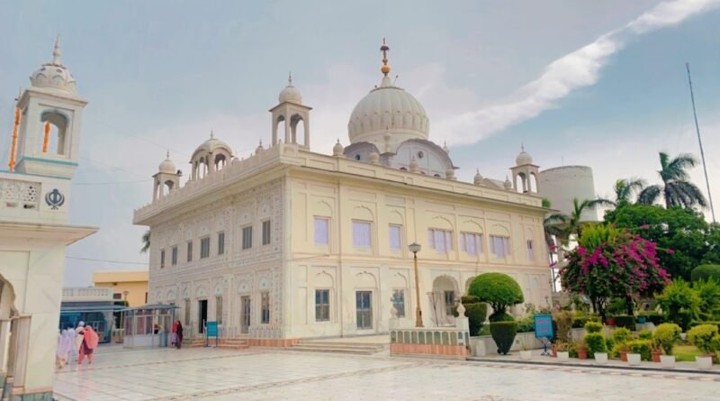
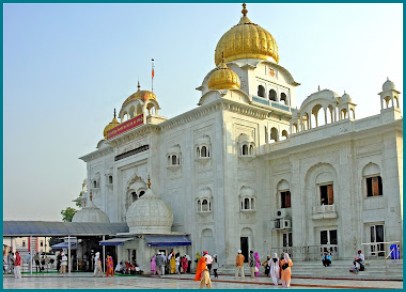
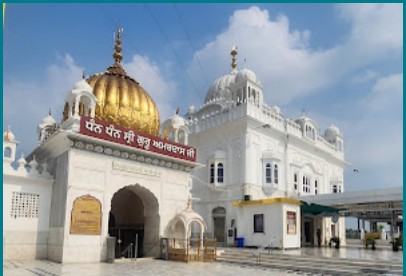
Architecturally, the modern complex of Gurudwara Bibi Kaulan Ji presents a striking example of late-medieval and modern Sikh design philosophy.
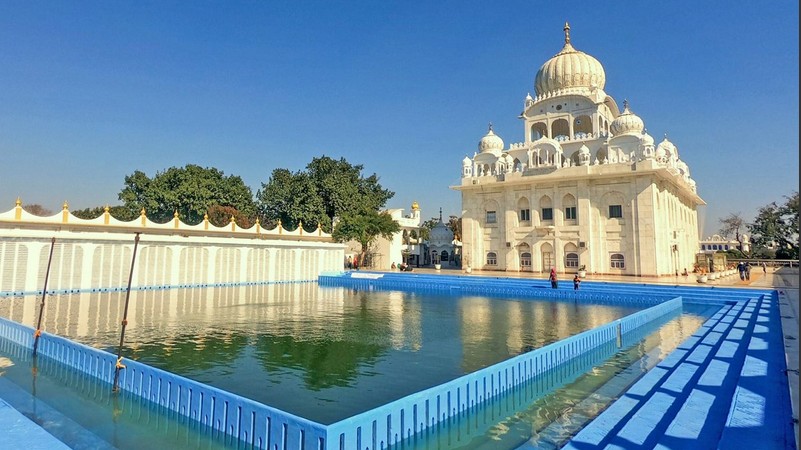
The main shrine features clean white marble structures, an elegant, ribbed central dome (gumbad), and ornate arches that reflect a stylistic synthesis of indigenous Punjabi and contemporary regional aesthetics.
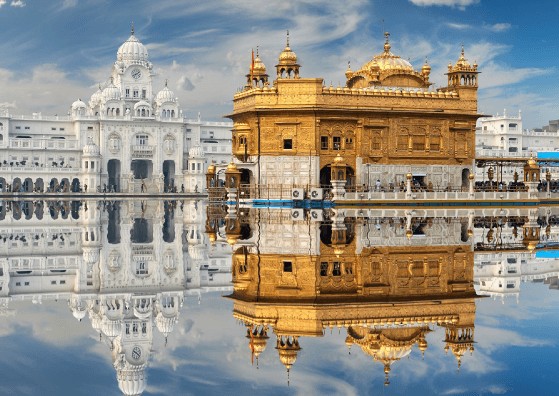
The building is intentionally designed to harmonize visually with the adjacent sarovar, creating an atmosphere where light, water, and stone interact seamlessly.
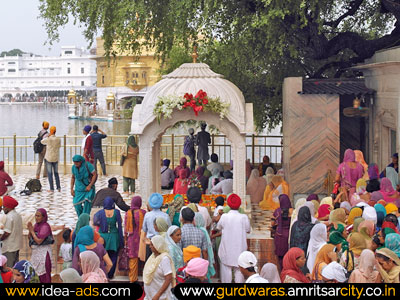
The wide parikrama surrounding the pool allows pilgrims a spacious path for contemplation, purposefully distanced from the denser crowds of the central temple complex.
The Historian's Verdict on Legacy and Cultural Syncretism
From an analytical standpoint, Gurudwara Bibi Kaulan Ji is much more than a quiet place of worship; it is an enduring physical monument to cultural syncretism and social defiance.
In a geopolitical environment frequently characterized by religious polarization and conflict between the Mughal state and non-Muslim communities, this site serves as a vital historical reminder of the deep, subterranean ties of spiritual solidarity that crossed religious boundaries.
The active involvement of the Sufi saint Hazrat Mian Mir in saving Bibi Kaulan, paired with the unconditional protection offered by Guru Hargobind Sahib Ji, highlights a rich history of shared mystical values that resisted state-sponsored division.
Today, when historians examine the evolution of gender roles within religious institutions, Mata Kaulan Ji stands out as a monumental figure of individual agency.
She courageously severed ties with a powerful, oppressive elite to follow her personal spiritual conviction, and her choices are honored daily by millions of pilgrims.
The continuous preservation of this site ensures that her narrative of courage, devotion, and liberation remains permanently etched into the physical landscape of Amritsar—a timeless reminder that the search for spiritual truth knows no boundaries of gender, caste, or creed.
Location & contact
Adjacent to Harmandir Sahib Complex
- Email: info@sgpc.net
- Map: Open in Google Maps
- Website: Visit website
- Associated Gurus: Guru Hargobind Sahib Ji
Gallery