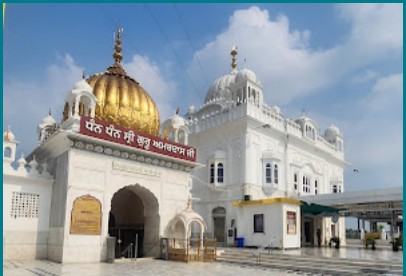
Gurudwara Sri Chheharta Sahib
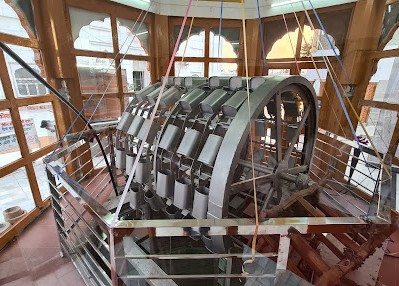
In the late 1500s, Guru Arjan Dev Ji chose to reside in the small settlement of Guru ki Wadali for several years. The plains surrounding Amritsar were frequently plagued by devastating droughts, leaving the agrarian peasantry entirely dependent on erratic monsoon rains. When Guru Arjan Dev Ji observed the severe water scarcity afflicting the inhabitants of Wadali and its neighboring villages, his response was both deeply compassionate and eminently practical. He commissioned the digging of a massive, wide-mouthed water well. In an era when typical rural wells utilized only one or two Persian wheels (harat) to draw water, the Guru engineered a revolutionary structure powered by six Persian wheels working simultaneously.
Echoes of the Six Persian Wheels at Gurudwara Chheharta Sahib
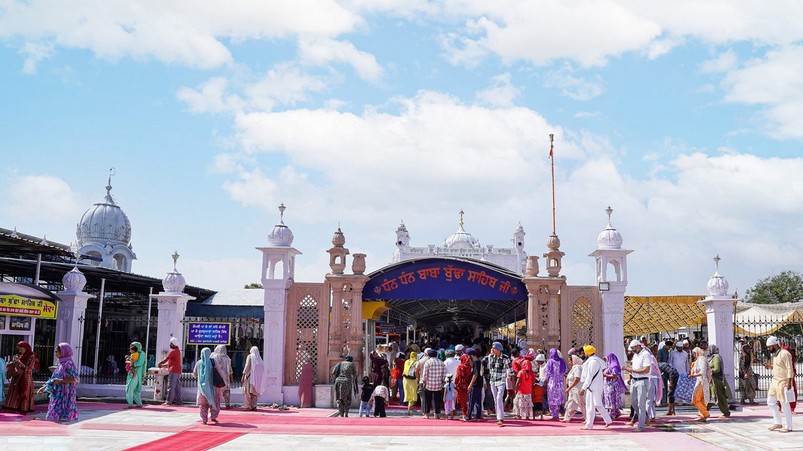
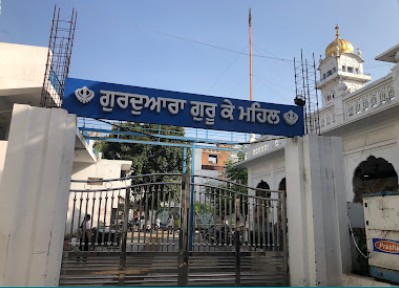
Located roughly seven kilometers west of Amritsar’s bustling urban center, near the historic village of Guru ki Wadali, stands Gurudwara Chheharta Sahib. This sacred site serves as an extraordinary testament to the late sixteenth-century transformation of the region.
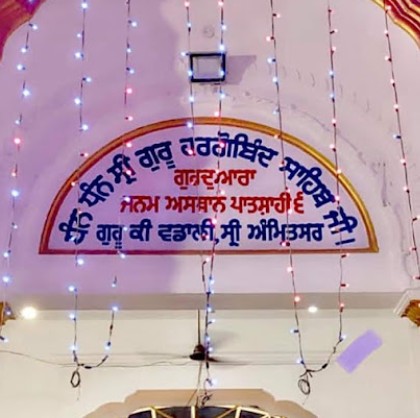
In the late 1500s, Guru Arjan Dev Ji chose to reside in the small settlement of Guru ki Wadali for several years. This was a calculated move, balancing the need to consolidate the growing Sikh panth (community) with a desire to seek a peaceful environment away from the escalating administrative tensions in central Amritsar—tensions often fueled by the localized hostility of his elder brother, Prithi Chand. It was within this rural sanctuary that a seminal event in Sikh history transpired: the birth of his only son and successor, Hargobind, in 1595. For the historian, this location represents far more than a birthplace; it marks the crucible where the foundational concepts of Miri and Piri (temporal and spiritual authority) were first nurtured in the person of the future Sixth Guru.
The Agrarian Crisis and the Six Persian Wheels
To appreciate the architectural and cultural monumentality of Chheharta Sahib, one must first understand the environmental realities of late medieval Punjab. The plains surrounding Amritsar were frequently plagued by devastating droughts, leaving the agrarian peasantry entirely dependent on erratic monsoon rains. When Guru Arjan Dev Ji observed the severe water scarcity afflicting the inhabitants of Wadali and its neighboring villages, his response was both deeply compassionate and eminently practical. He commissioned the digging of a massive, wide-mouthed water well. In an era when typical rural wells utilized only one or two Persian wheels (harat) to draw water, the Guru engineered a revolutionary structure powered by six Persian wheels working simultaneously.
This monumental engineering feat is the direct source of the name "Chheharta"—derived from chhe (six) and harta (wheels). From a socio-historical perspective, this well was not merely an infrastructural asset; it was an act of radical egalitarianism. In a highly stratified society where access to clean water was frequently dictated by caste hierarchies, the Guru’s well flowed freely for all, completely dismantling traditional social barriers. The ceaseless, rhythmic churning of the six wheels symbolised a steady outpouring of divine grace and communal sustenance, transforming the arid landscape into a vibrant hub of agricultural abundance and human connection.
Architectural Evolution and Sacred Space
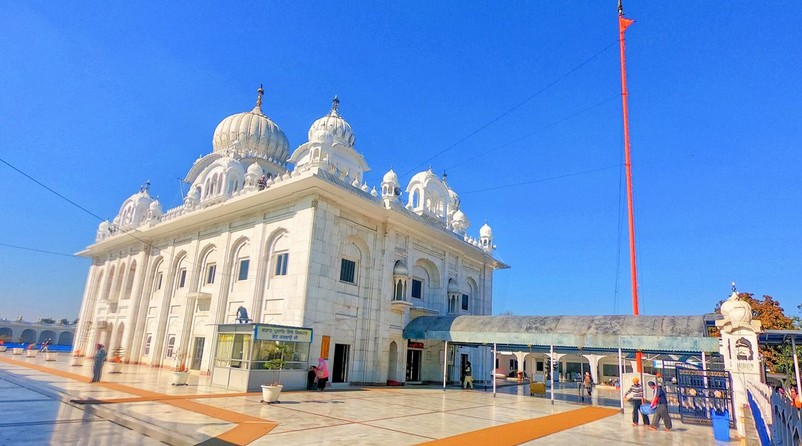
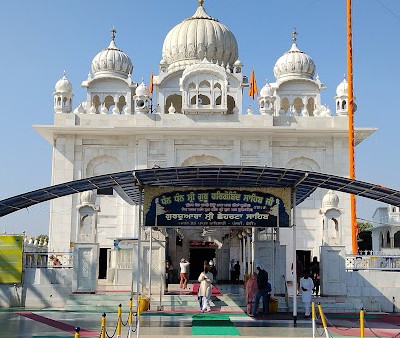
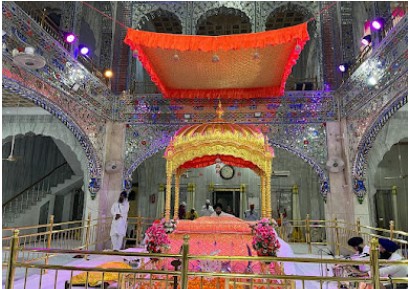
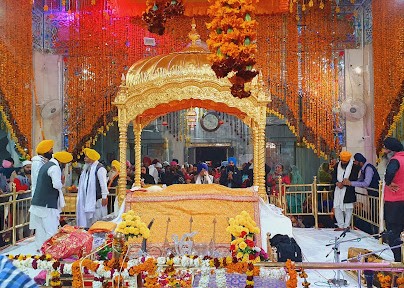
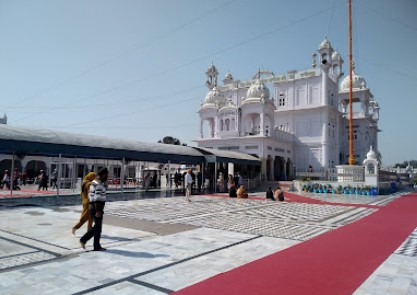
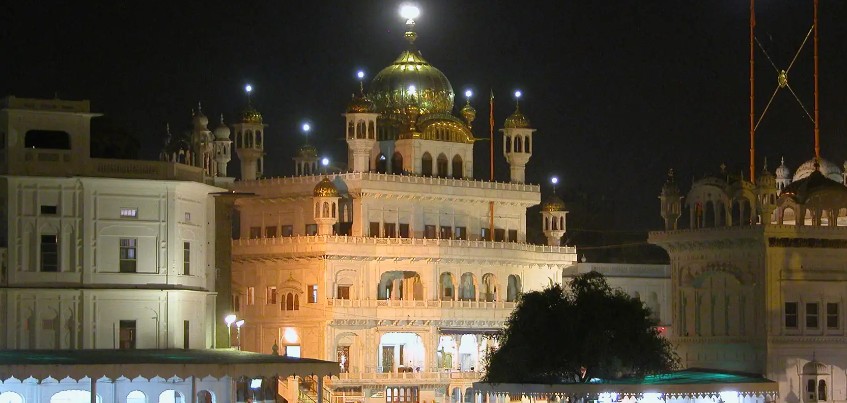
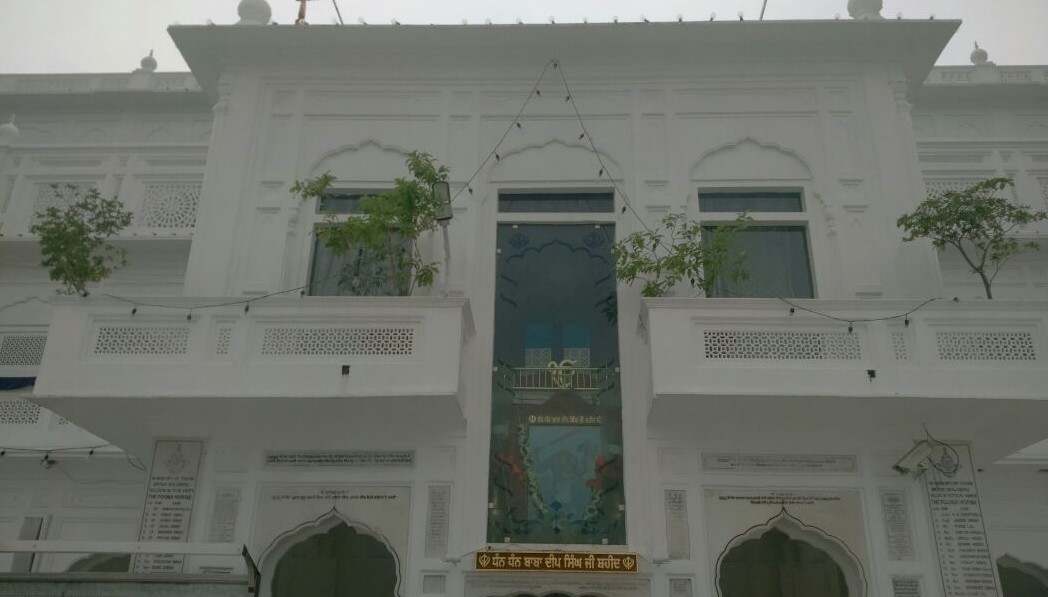
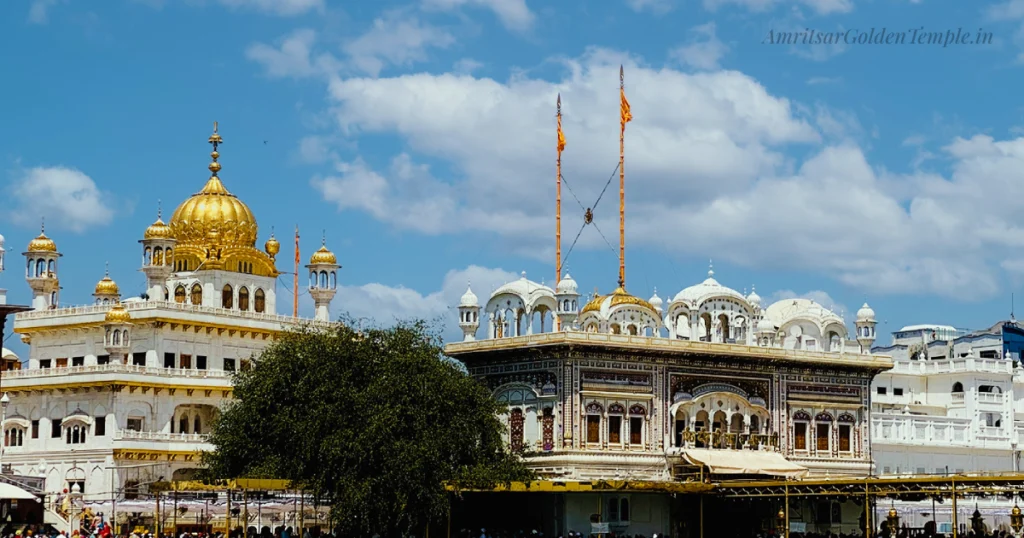
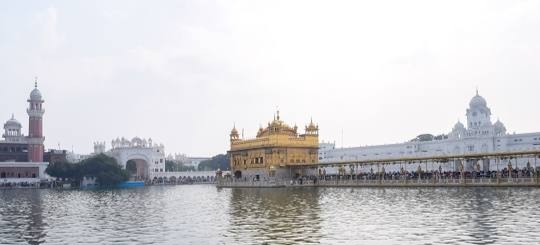
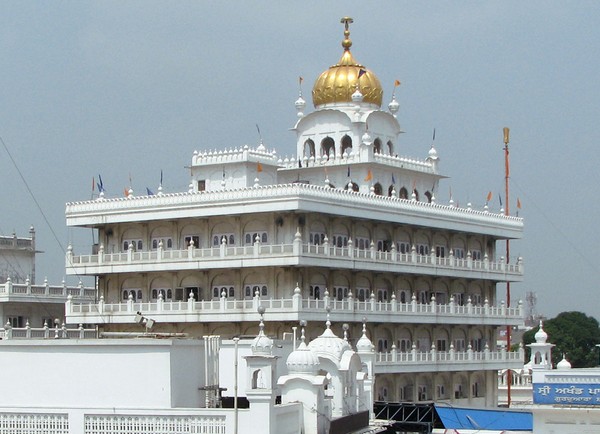
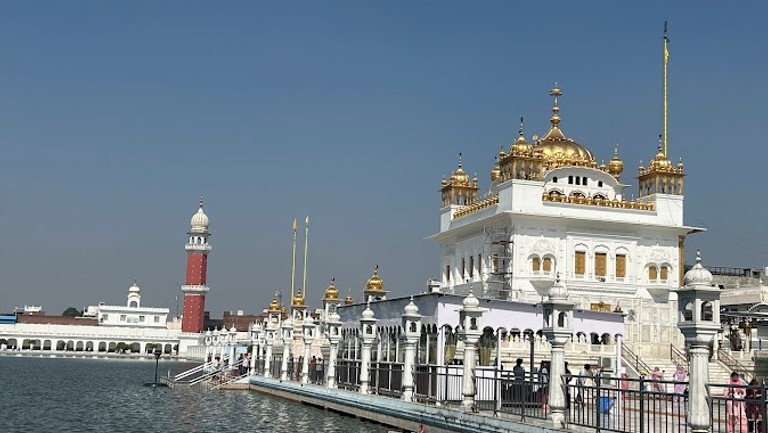
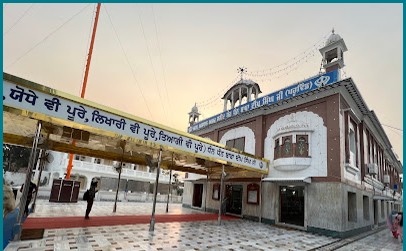
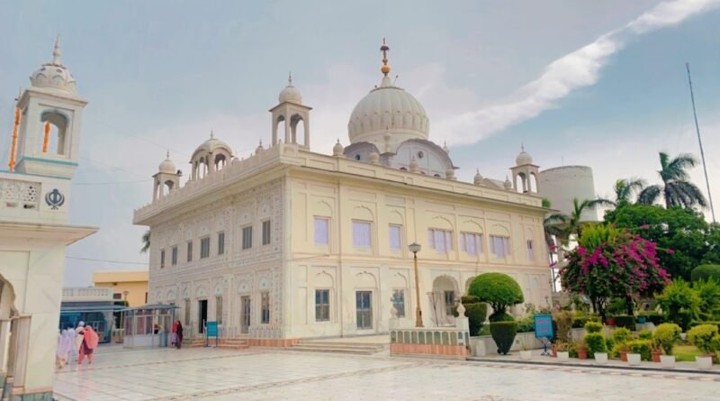
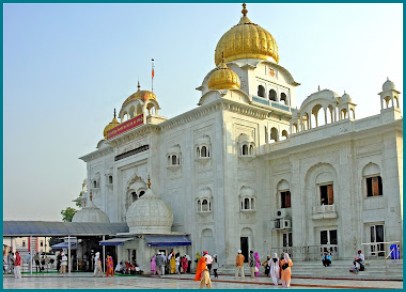
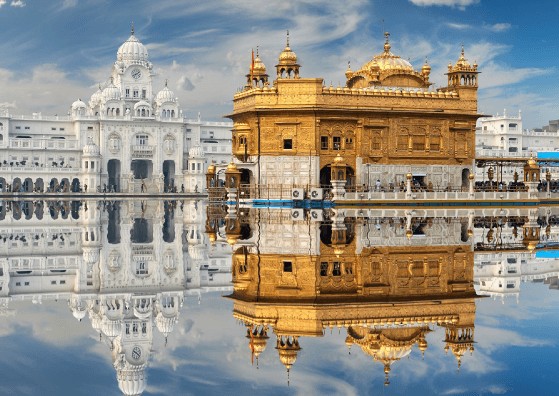
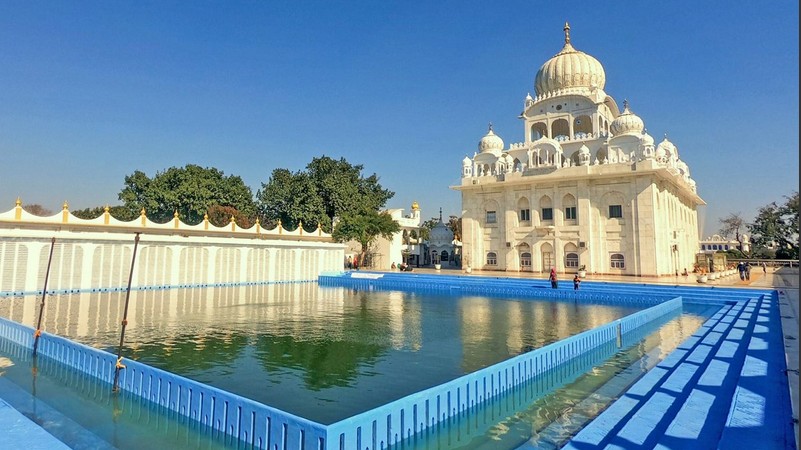
The architectural layout of the contemporary Gurudwara Chheharta Sahib complex represents an evolution across centuries, blending traditional Sikh architectural vernacular with institutional modernization. The central focal point remains the magnificent multi-story sanctuary, crowned with a majestic, gleaming golden dome that catches the Punjabi sun. The building's facade is constructed from fine white marble, embellished with delicate floral reliefs and classic guldastas (pinnacles) that reflect the artistic synthesis of Indo-Islamic and Rajput styles characteristic of the post-Misl period. Inside, the Darbar Sahib houses the Guru Granth Sahib beneath an ornately carved, jewel-encrusted Palki Sahib, creating an atmosphere of profound solemnity.
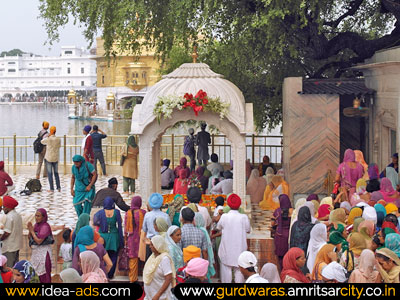
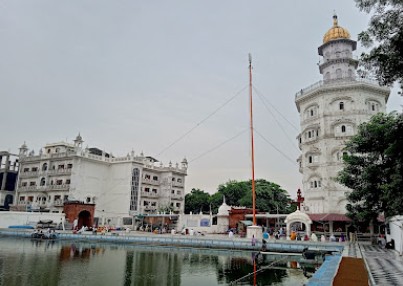
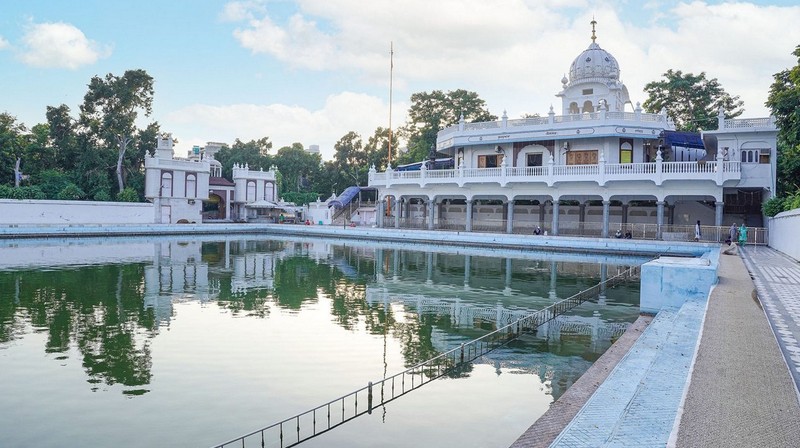
Adjacent to the main sanctuary lies the expansive sarovar (holy water tank), whose waters are continuously replenished from the historic well. The architectural transition from a utilitarian rural well to a monumental pilgrimage complex highlights the enduring reverence with which successive generations of Sikhs have guarded this sacred space.
The Well as a Living Monument
For the visiting historian, the most captivating element of the complex is the enclosed structure that explicitly preserves the historic well. Though the original wooden Persian wheels have been replaced by modern internal plumbing and filtration systems to distribute the water safely to pilgrims, the raw masonry and foundational spirit of the well remain fully intact. The water drawn from this specific source is deeply revered, holding a unique place in the folk and religious consciousness of the region.
According to long-standing oral traditions and historical accounts, Mata Ganga Ji prayed extensively at this site for a child. Consequently, a deep-seated belief persists that the water of this well possesses distinct spiritual blessings, particularly for couples praying for children.
Every year, during the festival of Basant Panchami (the spring festival), Chheharta Sahib hosts an enormous congregation. Pilgrims from all over the world gather to fly kites, participate in mass prayers, and drink the water from the six-wheeled well. This festival beautifully bridges historical memory with living faith, transforming a centuries-old engineering solution into a timeless fountain of hope and community identity.
Location & contact
Chheharta Road, near Railway Station
- Phone: +91 183 225 8311; 08437008022
- Email: info@sgpc.net
- Map: Open in Google Maps
- Website: Visit website
- Associated Gurus: Guru Arjan Dev Ji · Guru Hargobind Sahib Ji
Gallery